A Beginner’s Guide to Progressive Muscle Relaxation
Ever feel like your shoulders are permanently glued to your ears? Like your jaw is clenched so tight it could crack a walnut? We all have those days, weeks even, when the weight of the world settles right into our bodies, leaving us feeling tense, drained, and just plainoff. It’s a common experience, and knowing you're not alone is sometimes half the battle.
Modern life is a whirlwind. We're bombarded with deadlines at work, family commitments, social obligations, and the constant hum of notifications vying for our attention. This constant stimulation floods our systems with stress hormones, leading to tight muscles, racing thoughts, and an overall sense of unease. Finding ways to manage this tension is crucial for our well-being, and thankfully, there are simple, effective techniques we can learn.
What if I told you there was a way to gently release that tension, one muscle group at a time, all from the comfort of your own home? Enter Progressive Muscle Relaxation (PMR), a simple yet powerful technique that can help you cultivate a calmer mind and a more relaxed body. It's like a mini-vacation for your nervous system, and the best part is, anyone can learn it!
Getting Started with Progressive Muscle Relaxation
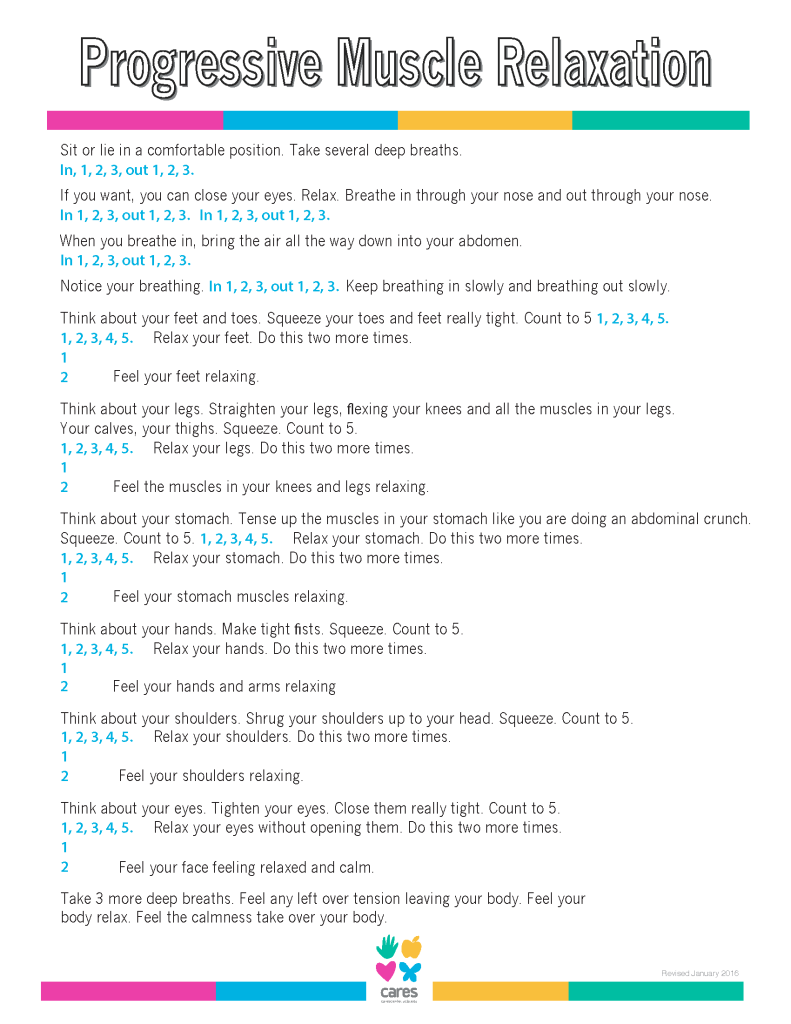
Progressive Muscle Relaxation might sound complicated, but it's surprisingly straightforward. The core idea is to systematically tense and then release different muscle groups in your body. This helps you become more aware of the difference between tension and relaxation, making it easier to recognize and release tension when it arises in your daily life. Think of it as training your body to chill out on demand!
What equipment do I need?
The beauty of PMR is its simplicity. You don't need any fancy equipment or special skills. All you need is a quiet space where you won't be disturbed for about 15-20 minutes, a comfortable place to lie down or sit, and a willingness to give it a try. A yoga mat or blanket on the floor works well, or you can simply lie on your bed. Some people like to play calming music in the background, but that's entirely optional. The key is to create an environment that feels safe and conducive to relaxation.
A Step-by-Step Guide to Practicing PMR
Ready to give it a whirl? Here's a step-by-step guide to get you started. Remember, there's no right or wrong way to do this, so feel free to adjust the sequence or timing to suit your needs. The most important thing is to listen to your body and be gentle with yourself.
1.Find Your Spot: Lie down or sit comfortably in your chosen space. Close your eyes gently and take a few deep breaths. Notice the feeling of your breath entering and leaving your body.
2.Hands and Arms:
Right Hand: Make a tight fist with your right hand. Clench it as tightly as you can, noticing the tension in your hand, wrist, and forearm. Hold this tension for about 5-10 seconds.
Release: Slowly release the fist, letting your hand go limp. Pay close attention to the feeling of relaxation as the tension melts away. Notice the difference between the tense and relaxed state.
Repeat: Repeat this process with your right hand again, then move on to your left hand.
Left Hand: Follow the same procedure with your left hand – clench, hold, release, and notice the sensations.
Right Arm: Bend your right arm at the elbow and tense your bicep. Hold for 5-10 seconds, focusing on the muscle tightening.
Release: Slowly release the tension, letting your arm relax completely. Again, notice the feeling of relaxation.
Left Arm: Repeat the same process with your left arm.
3.Face and Head:
Forehead: Raise your eyebrows as high as you can, creating wrinkles across your forehead. Hold for 5-10 seconds.
Release: Smooth out your forehead, letting your eyebrows relax.
Eyes and Nose: Close your eyes tightly and wrinkle your nose. Hold for 5-10 seconds.
Release: Relax your eyes and nose.
Jaw: Open your mouth wide, creating tension in your jaw. Hold for 5-10 seconds.
Release: Gently close your mouth and relax your jaw.
Mouth: Press your lips tightly together. Hold for 5-10 seconds.
Release: Relax your lips.
4.Neck and Shoulders:
Shoulders: Shrug your shoulders up towards your ears as high as you can. Hold for 5-10 seconds.
Release: Let your shoulders drop down, feeling the relaxation spread through your neck and upper back.
Neck: Gently press your head back into the surface you're lying on (or against the back of your chair). Hold for 5-10 seconds.
Release: Relax your neck.
Neck (Sideways): Gently bring your chin towards your chest. Hold for 5-10 seconds.
Release: Relax your neck.
5.Chest and Stomach:
Chest: Take a deep breath and hold it, creating tension in your chest muscles. Hold for 5-10 seconds.
Release: Exhale slowly and relax your chest.
Stomach: Tighten your stomach muscles, pulling your belly button in towards your spine. Hold for 5-10 seconds.
Release: Relax your stomach muscles.
6.Legs and Feet:
Right Thigh: Tighten your right thigh muscle. Hold for 5-10 seconds.
Release: Relax your right thigh.
Left Thigh: Tighten your left thigh muscle. Hold for 5-10 seconds.
Release: Relax your left thigh.
Right Calf: Point your right toes towards your head, tensing your calf muscle. Hold for 5-10 seconds.
Release: Relax your right calf.
Left Calf: Point your left toes towards your head, tensing your calf muscle. Hold for 5-10 seconds.
Release: Relax your left calf.
Right Foot: Curl your right toes downwards, creating tension in your foot. Hold for 5-10 seconds.
Release: Relax your right foot.
Left Foot: Curl your left toes downwards, creating tension in your foot. Hold for 5-10 seconds.
Release: Relax your left foot.
7.Full Body Scan: Take a moment to scan your entire body, noticing any remaining tension. If you find any, gently tense and release those muscles.
8.Rest and Integration: Spend a few minutes simply resting and enjoying the feeling of relaxation. Let your breath be natural and easy. When you're ready, gently wiggle your fingers and toes, and slowly open your eyes.
How often should I practice Progressive Muscle Relaxation?
Consistency is key to reaping the full benefits of PMR. Aim to practice it once or twice a day, especially during times of high stress. Even just 10-15 minutes of PMR can make a significant difference in your overall well-being. With regular practice, you'll become more attuned to your body's tension patterns and be able to release tension more easily throughout the day. You might even find that you fall asleep more easily if you practice PMR before bed, promoting better emotional balance and improved sleep quality.
Benefits of Regular Practice
The benefits of PMR extend far beyond simply feeling relaxed in the moment. Regular practice can lead to a number of positive changes in your life, including: Reduced Stress and Anxiety: By learning to consciously release tension in your muscles, you can reduce the physical symptoms of stress and anxiety. Improved Sleep: PMR can help calm your mind and body, making it easier to fall asleep and stay asleep. Increased Awareness of Body Sensations: PMR helps you become more attuned to the subtle cues your body sends, allowing you to recognize and address tension before it becomes chronic. Enhanced Mental Clarity: By reducing stress and tension, PMR can improve your focus and concentration. Better Emotional Regulation: Regular practice can help you manage your emotions more effectively, leading to greater emotional balance. Pain Management: PMR can be a helpful tool for managing chronic pain conditions by reducing muscle tension and promoting relaxation.
How does stress affect mental clarity?
Stress can wreak havoc on our ability to think clearly. When we're stressed, our bodies release stress hormones like cortisol and adrenaline, which can interfere with cognitive function. This can lead to difficulty concentrating, making decisions, and remembering things. Chronic stress can even shrink the hippocampus, the part of the brain responsible for memory and learning. Techniques like PMR can help counteract these effects by reducing stress hormones and promoting relaxation, ultimately leading to improved mental clarity.
So there you have it—a gentle introduction to the world of Progressive Muscle Relaxation. With a little patience and practice, you can tap into its power to cultivate a calm mind, a relaxed body, and a greater sense of well-being. Remember to be kind to yourself as you learn, and enjoy the journey toward a more relaxed and balanced you. This simple practice offers a pathway to stress relief, and it's a skill that can stay with you for life.
Post a Comment for "A Beginner’s Guide to Progressive Muscle Relaxation"