How to Recover After a High-Stress Week
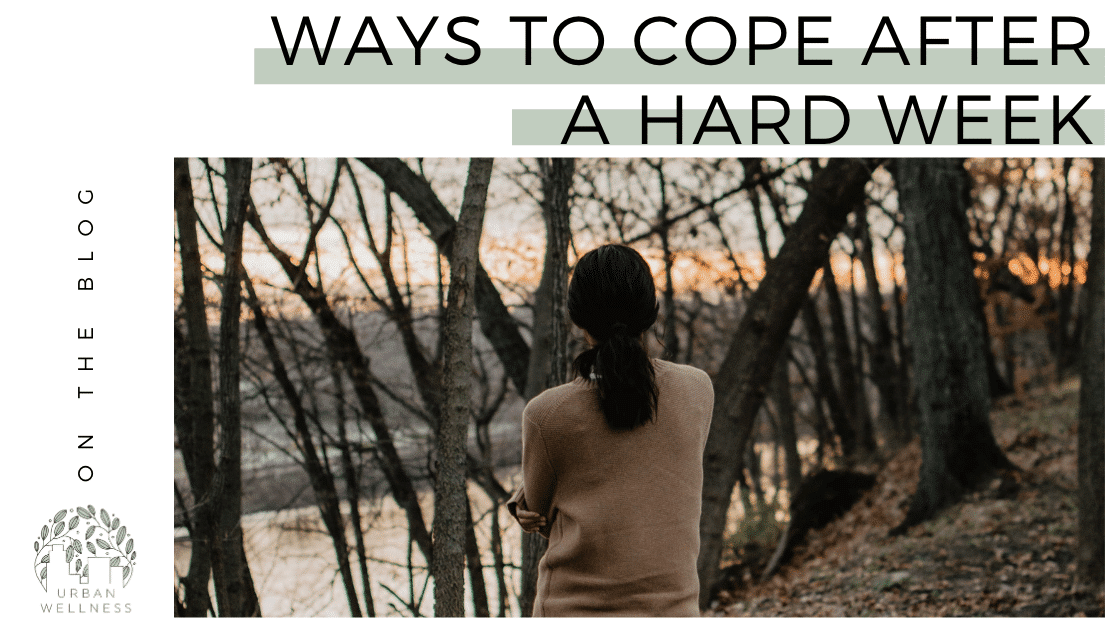
Okay, deep breaths. You made it. That week felt like running a marathon uphill in quicksand, right? Between demanding deadlines, family commitments, and that persistent feeling of never quite catching up, you're probably running on fumes. It's okay; you're not alone. We've all been there, staring blankly at the weekend, wondering how we're supposed to recharge after being completely drained.
The modern world seems designed to keep us in a perpetual state of low-level stress. It's not just major life events; it's the constant barrage of emails, the pressure to be "on" 24/7, and the subtle (or not-so-subtle) competition that permeates so many aspects of our lives. This can manifest as physical tension, like tight shoulders and headaches, or emotional exhaustion, like irritability, anxiety, and a general lack of motivation. Neglecting to address these issues can lead to burnout and a serious decline in overall well-being.
But here's the good news: recovery is possible! It's not about instantly erasing the stress, but about gently guiding yourself back to a place of calm and balance. Think of it like tending to a garden after a storm; you need to clear away the debris, nourish the soil, and give the plants a chance to recover. We’re going to explore some practical strategies to reclaim your weekend and step back into the rhythm of life with renewed energy and a sense of peacefulness.
Resetting Your Mind and Body
The first step in recovering from a high-stress week is acknowledging that youneedto recover. So many of us push through, thinking we can just power through the weekend and be ready to go again on Monday. But that’s a recipe for disaster. Taking proactive steps to prioritize your well-being is an investment in your future health and happiness. This is not selfish; it is essential!
Disconnect to Reconnect: The Power of Unplugging
In our hyper-connected world, one of the most powerful things you can do for stress relief is to disconnect. That means putting away your phone, turning off notifications, and stepping away from the constant stream of information. This gives your brain a chance to rest and process everything it’s been dealing with.
How does constant connectivity affect stress? Imagine your brain as a computer. If you have too many programs running at once, it slows down and eventually crashes. Constant connectivity is like running dozens of programs simultaneously. Emails, social media, news updates – they all demand your attention and contribute to mental clutter. This constant stimulation can lead to anxiety, difficulty concentrating, and a feeling of being overwhelmed.
Practical steps for disconnecting
1.Designated Device-Free Times: Set specific times during the day when you completely unplug. This could be during meals, before bed, or for a dedicated hour or two in the afternoon.
2.Notification Detox: Turn off non-essential notifications on your phone and computer. You’ll be surprised how much calmer you feel without the constant buzzing and beeping.
3.Digital Sabbath: Consider implementing a "digital sabbath" – a full day or weekend where you minimize your exposure to screens and technology.
4.Mindful Phone Use: Be conscious of how you're using your phone. Are you scrolling mindlessly through social media, or are you intentionally engaging with content that brings you joy? If the former, try replacing that habit with something more nourishing, like reading a book or spending time in nature.
Embrace the Power of Movement and Nature
Physical activity is a fantastic stress reliever. It doesn't have to be an intense workout; even a gentle walk in nature can make a world of difference. Exercise releases endorphins, which have mood-boosting effects. Furthermore, spending time in nature has been shown to lower cortisol levels (the stress hormone) and improve overall well-being.
What's the best way to incorporate movement after a stressful week? The key is to choose activities that you enjoy and that feel restorative, not draining. This is not the time to push yourself to hit personal bests at the gym. Think gentle yoga, a leisurely bike ride, a swim, or simply walking around your neighborhood. Focus on being present in your body and enjoying the sensations of movement.
Examples of calming activities in nature
Forest Bathing (Shinrin-Yoku): This Japanese practice involves simply spending time in a forest and immersing yourself in the atmosphere. Focus on your senses – the sounds of the birds, the smell of the trees, the feel of the breeze on your skin. Gardening: Getting your hands dirty in the soil can be incredibly therapeutic. Planting flowers, tending to vegetables, or even just weeding can be a meditative and grounding experience. Picnic in the Park: Pack a healthy lunch and enjoy it in a park or green space. Bring a book, listen to music, or simply people-watch. Stargazing: Find a dark spot away from city lights and gaze at the stars. The vastness of the universe can put your worries into perspective.
Nourishing Your Body and Soul
What you eat and how you treat yourself significantly impacts your stress levels. Ditch the junk food and alcohol (at least temporarily) and focus on nourishing your body with whole, unprocessed foods. Make time for activities that bring you joy and relaxation. This could be anything from reading a book to taking a long bath to listening to your favorite music.
How does diet affect stress levels? When you're stressed, your body releases hormones like cortisol, which can increase your appetite and cravings for sugary and fatty foods. While these foods may provide temporary comfort, they can actually worsen stress levels in the long run. A diet rich in fruits, vegetables, whole grains, and lean protein helps to regulate blood sugar levels and provide the nutrients your body needs to cope with stress.
Ideas for nourishing meals
Smoothies: Blend fruits, vegetables, yogurt, and protein powder for a quick and easy meal. Salads: Load up on leafy greens, colorful vegetables, and a healthy dressing. Soups: Warm and comforting, soups are a great way to get your vegetables and hydration. Grilled Chicken or Fish: A lean protein source that is easy to digest and packed with nutrients.
Cultivating Inner Peace
Beyond the external changes, fostering inner peace is vital for long-term stress management. This involves developing practices that help you to calm your mind, manage your emotions, and cultivate a sense of inner resilience.
The Breath: Your Secret Weapon
One of the simplest and most effective ways to manage stress is through breathing techniques. Deep breathing exercises can activate the parasympathetic nervous system, which is responsible for the "rest and digest" response. This helps to slow your heart rate, lower your blood pressure, and promote a sense of calm.
Breathing techniques for stress relief
1.Diaphragmatic Breathing (Belly Breathing): Place one hand on your chest and the other on your stomach. Inhale deeply through your nose, allowing your stomach to rise while keeping your chest relatively still. Exhale slowly through your mouth, allowing your stomach to fall. Repeat for several minutes.
2.Box Breathing: Inhale for a count of four, hold your breath for a count of four, exhale for a count of four, and hold your breath again for a count of four. Repeat for several minutes.
3.Alternate Nostril Breathing (Nadi Shodhana): Use your right thumb to close your right nostril and inhale deeply through your left nostril. Then, close your left nostril with your right ring finger and exhale through your right nostril. Inhale through your right nostril, close it with your right thumb, and exhale through your left nostril. Continue alternating nostrils for several minutes.
Mindfulness and Meditation: Finding Calm in the Present Moment
Mindfulness is the practice of paying attention to the present moment without judgment. It involves observing your thoughts, feelings, and sensations without getting carried away by them. Meditation is a technique that can help you to cultivate mindfulness.
How does mindfulness affect stress? Mindfulness helps you to become more aware of your stress triggers and your reactions to them. This allows you to respond to stress in a more skillful way, rather than reacting impulsively. It also helps you to cultivate a sense of acceptance and non-judgment, which can reduce anxiety and improve emotional balance.
Getting started with meditation
Find a Quiet Space: Choose a place where you can sit or lie down without being disturbed. Set a Timer: Start with just a few minutes and gradually increase the duration as you become more comfortable. Focus on Your Breath: Pay attention to the sensation of your breath as it enters and leaves your body. Acknowledge Your Thoughts: When your mind wanders (and it will!), gently bring your attention back to your breath without judgment. Use a Guided Meditation:There are many free guided meditations available online that can help you to get started.
Journaling: Unload Your Thoughts and Feelings
Journaling can be a powerful tool for processing your emotions and gaining clarity. It allows you to externalize your thoughts and feelings, which can help to reduce stress and anxiety. It’s also a wonderful way to track your progress and identify patterns in your life.
Prompts to get you started
What are you grateful for today?
What are you struggling with right now?
What are your goals for the future?
What are your strengths?
What are you most proud of?
How can I be kinder to myself today?
Prioritizing Self-Care
True recovery goes beyond simply resting; it's about actively engaging in activities that nurture your mind, body, and soul.
Schedule Your Self-Care
Treat self-care like any other important appointment. Block out time in your calendar and commit to it. It’s easy to let self-care fall by the wayside when you're busy, but it’s essential for maintaining your well-being. Remember, you can’t pour from an empty cup.
Examples of self-care activities
Taking a long bath
Reading a book
Listening to music
Getting a massage
Spending time with loved ones
Engaging in a hobby
Taking a nap
Saying "No" to Protect Your Energy
Learning to say "no" is a crucial skill for managing stress. It's okay to decline requests that will drain your energy or add to your already full plate. Prioritize your own needs and don't feel guilty about setting boundaries.
Tips for saying "no" gracefully
Be polite and respectful.
Explain your reasoning briefly.
Offer an alternative solution if possible.
Don't over-apologize.
Remember, it's okay to say no without giving a reason.
The weekend is your sanctuary, a time to gently nudge yourself back towards a state of equilibrium. It's about conscious choices – unplugging, moving your body, nourishing your soul, and cultivating inner peace. Remember to schedule that “me” time, and perhaps most importantly, grant yourself the permission to say "no" to anything that doesn’t serve your journey back to calm. Embrace the stillness, find the joy in simple moments, and allow yourself to be truly present. You deserve this. Monday morning will thank you.
Post a Comment for "How to Recover After a High-Stress Week"