How Spending 120 Minutes in Nature a Week Can Rebalance You
Ever feel like you're constantly juggling a million things, and that inner peace you crave is just…out of reach? Like your brain is a browser with too many tabs open, each one buzzing with a different worry or demand? You’re not alone. Life's fast pace and constant connectivity often leave us feeling drained, overwhelmed, and disconnected from what truly matters. We're so busy reacting that we forget to simplybe.
The relentless pressures of modern life – demanding jobs, social media overload, financial worries, and relationship complexities – contribute to a persistent state of stress. This chronic tension manifests in countless ways, from sleepless nights and nagging headaches to feelings of anxiety and a general sense of unease. We lose sight of ourselves amidst the chaos, yearning for a way to reclaim that lost sense of calm and centeredness.
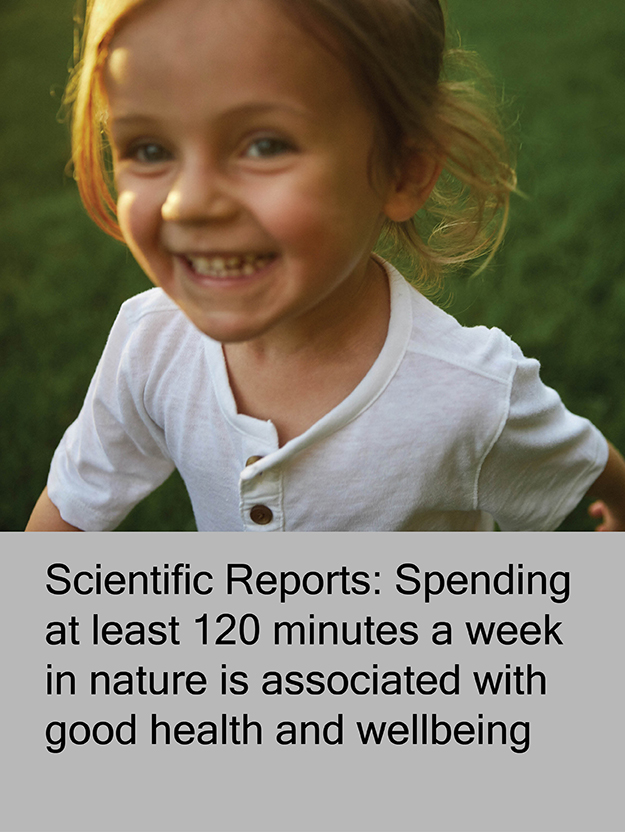
But what if I told you there's a surprisingly simple, readily accessible, and completely free way to start feeling more balanced and grounded? It involves stepping away from the screens, silencing the notifications, and reconnecting with the natural world. I'm talking about spending just 120 minutes a week in nature. It may sound too good to be true, but scientific research and countless personal experiences suggest that immersing yourself in the outdoors can be a powerful antidote to the stresses of modern life, helping you cultivate a calm mind and find your way back to emotional balance.
Reconnecting with Nature: Your Path to Calm
Nature isn't just a pretty backdrop; it's a vital resource for our well-being. The simple act of spending time outdoors can have profound effects on our mental, emotional, and even physical health. Think of it as a reset button for your nervous system, a chance to unplug from the digital world and plug back into something far more ancient and restorative. And the beauty is, you don't need to climb Mount Everest or hike through the Amazon rainforest to reap the benefits. Even a local park, a quiet garden, or a tree-lined street can offer a much-needed dose of tranquility.
The Science Behind Nature's Healing Power
It’s easy to dismiss the idea of “nature therapy” as just a nice-sounding concept. However, a growing body of scientific evidence supports the positive impact of spending time in green spaces.
How does nature affect stress hormones?
Studies have shown that spending time in nature can lower levels of cortisol, the body’s primary stress hormone. A walk in the woods, for instance, can trigger a cascade of physiological changes, reducing heart rate, blood pressure, and muscle tension. This, in turn, promotes a sense of relaxation and well-being. One study even found that just looking at pictures of nature can have a similar, albeit less potent, effect.
Furthermore, exposure to phytoncides, airborne chemicals released by trees and plants, has been linked to increased activity of natural killer (NK) cells, a type of white blood cell that plays a crucial role in the immune system. In essence, spending time in nature not only helps us de-stress but also strengthens our body's defenses.
Making Nature a Part of Your Weekly Routine
The key to unlocking the benefits of nature is consistency. Aim for that 120-minute weekly dose, and try to spread it out over multiple sessions. A couple of longer walks or several shorter visits can both be effective. But how do you practically weave this into your already packed schedule?
Schedule it in: Treat your nature time like any other important appointment. Block out time in your calendar and stick to it as best you can. Combine it with other activities: Walk or cycle to work or to run errands. Have lunch in a park instead of at your desk. Turn a chore into an outdoor adventure. Involve others: Invite friends or family to join you for a walk or picnic. Connecting with loved ones while surrounded by nature can amplify the positive effects. Start small: If 120 minutes feels daunting, begin with shorter sessions and gradually increase the duration as you become more comfortable. Even 15-20 minutes a day can make a difference. Be mindful:Resist the urge to multitask or check your phone constantly. Instead, focus on your surroundings. Notice the colors, smells, and sounds of nature. Practice deep breathing techniques to further enhance relaxation.
Types of Nature Activities for Stress Relief
The beauty of this approach is that there are countless ways to connect with nature, catering to different preferences and lifestyles. Here are a few ideas to get you started: Walking or hiking: A simple stroll through a park or a more challenging hike in the woods can be incredibly restorative. Pay attention to the rhythm of your footsteps and the feeling of the ground beneath your feet. Gardening: Tending to plants can be a therapeutic and rewarding activity. The act of nurturing life can be deeply grounding and can provide a sense of accomplishment. Forest bathing (Shinrin-yoku): This Japanese practice involves immersing yourself in the atmosphere of the forest. Engage all your senses, paying attention to the sights, sounds, smells, and textures around you. Sitting by water: The sound and sight of water can be incredibly calming. Find a spot by a lake, river, or ocean and simply observe the movement of the water. Picnicking: Enjoying a meal outdoors can be a delightful way to connect with nature and nourish your body and soul. Birdwatching: Observing birds can be a fascinating and relaxing activity. Learn to identify different species and appreciate their beauty and songs. Stargazing:On a clear night, find a dark spot away from city lights and gaze at the stars. Contemplating the vastness of the universe can put your worries into perspective.
What’s the best way to maximize the benefits?
Mindfulness is key. It's not just about beinginnature, but trulyengagingwith it. Put away your phone, focus on your senses, and allow yourself to be fully present in the moment. Notice the way the sunlight filters through the trees, the feel of the breeze on your skin, the sounds of the birds singing. Deep breathing techniques can also help to calm your nervous system and enhance your connection with the natural world. Inhale deeply through your nose, hold for a few seconds, and exhale slowly through your mouth. Repeat several times, focusing on the rhythm of your breath.
Overcoming Obstacles: Making Time for Nature
One of the biggest challenges to incorporating nature into your routine is simply finding the time. Here are some tips for overcoming this obstacle: Reframe your thinking: Instead of viewing nature time as a luxury, see it as an essential investment in your well-being. Prioritize it accordingly. Start small: Even short bursts of nature can be beneficial. A 15-minute walk during your lunch break is better than nothing. Be creative: Look for opportunities to integrate nature into your existing routine. Walk or cycle to work, have lunch in a park, or take a stroll after dinner. Embrace imperfection: Don't let the pursuit of the "perfect" nature experience prevent you from getting outside. Even a less-than-ideal outing can be beneficial. Make it a habit:The more you make nature a part of your routine, the easier it will become to maintain it.
Nature and Emotional Balance
Beyond stress relief, spending time in nature can also have a profound impact on your emotional balance. It can help to: Reduce anxiety and depression: Studies have shown that exposure to nature can lower symptoms of anxiety and depression. The calming effect of nature can help to quiet the inner critic and promote feelings of peace and well-being. Boost mood and self-esteem: Spending time outdoors can increase levels of serotonin, a neurotransmitter that plays a key role in mood regulation. It can also provide a sense of accomplishment and connection, boosting self-esteem. Increase creativity and focus: Nature can provide a respite from the constant stimulation of modern life, allowing your mind to wander and make new connections. This can lead to increased creativity and improved focus. Promote a sense of awe and wonder: Experiencing the beauty and majesty of nature can inspire feelings of awe and wonder, reminding us of something larger than ourselves. This can help to put our problems into perspective and cultivate a sense of gratitude. Improve sleep quality:Exposure to natural light can help to regulate your circadian rhythm, promoting better sleep. Spending time outdoors during the day can also help to reduce stress and anxiety, making it easier to fall asleep at night.
Nature offers a sanctuary, a place where we can reconnect with ourselves and find solace from the demands of daily life. It's a powerful tool for cultivating mental clarity, fostering stress relief, and achieving a greater sense of emotional balance.
So, whether it's a walk in the park, tending to a garden, or simply sitting under a tree, make an effort to incorporate nature into your weekly routine. Those 120 minutes could be the key to unlocking a calmer, happier, and more balanced you. Give it a try, and discover the transformative power of nature for yourself. You might be surprised at how much good a little green can do.
Post a Comment for "How Spending 120 Minutes in Nature a Week Can Rebalance You"