Small-Routine Changes That Offer Big Anxiety Relief
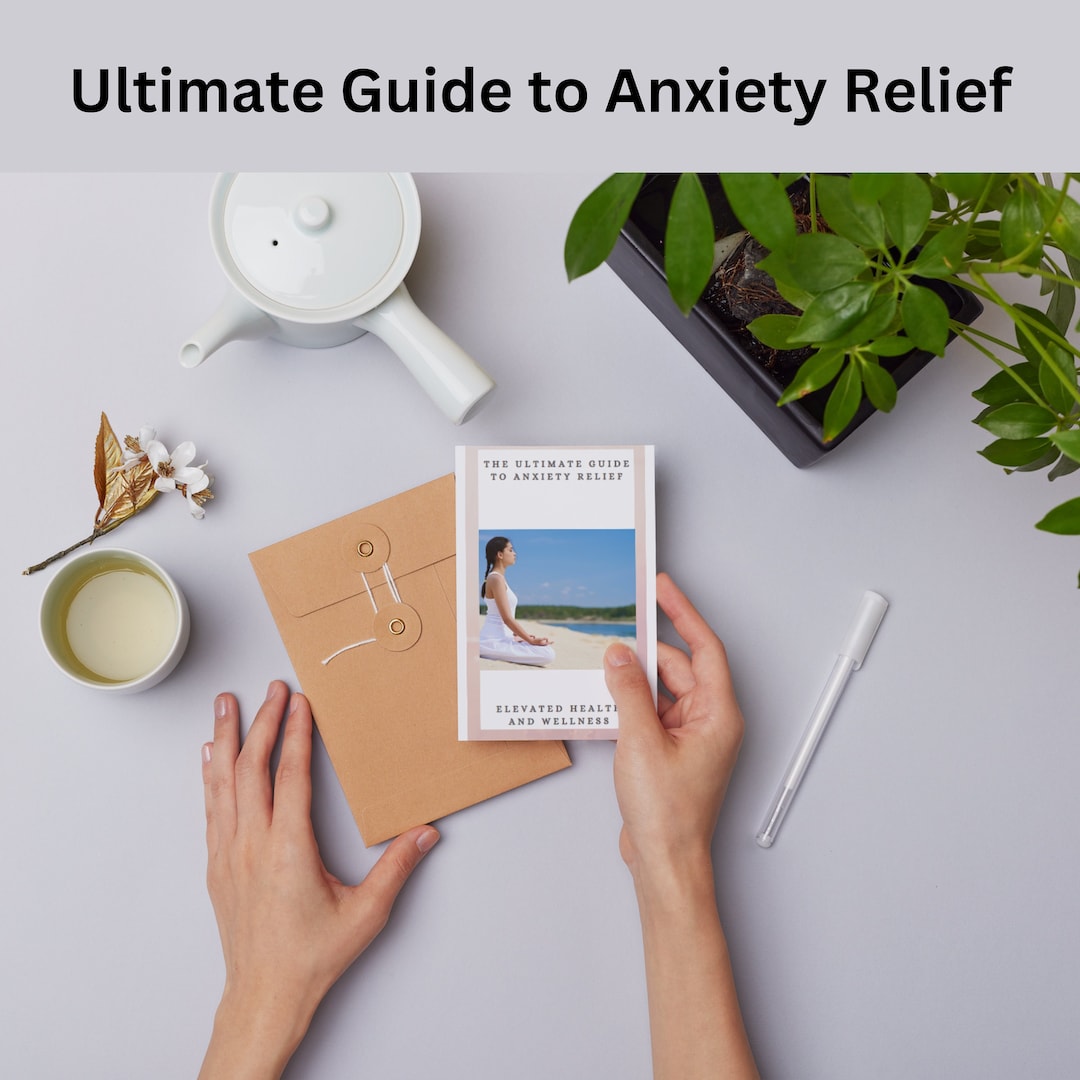
Ever feel like you’re running on a hamster wheel, perpetually chasing your tail? The to-do list never seems to shrink, the emails keep piling up, and the worries just keep buzzing in the back of your mind. It's easy to feel overwhelmed, like you're constantly putting out fires and never truly getting a moment to just… breathe. That tension, that nagging feeling that something’s gotta give, it's exhausting, isn't it?
Life throws a lot at us: work deadlines, family commitments, financial pressures, and the constant barrage of information from the world around us. All of this can lead to a build-up of stress and anxiety, leaving us feeling drained, irritable, and disconnected. The problem is, major life overhauls feel intimidating. We know weshouldbe meditating for an hour a day or running a marathon, but who has the time (or energy)? The good news is, you don't need to make drastic changes to experience meaningful relief.
The truth is, small, consistent adjustments to your daily routine can have a surprisingly powerful impact on your anxiety levels. These aren't about adding more to your plate; they're about subtly tweaking what you're already doing to create more space for calm and mental clarity. Think of it like this: instead of trying to move a mountain, you're just shifting a few pebbles each day. These small shifts can create a smoother, more peaceful path forward.
Small Changes, Big Impact
It's easy to fall into the trap of thinking that anxiety relief requires grand gestures, like quitting your job or moving to a secluded island. But the reality is that consistent, manageable actions are often more effective in the long run. This approach is all about finding small pockets of opportunity throughout your day to cultivate a sense of calm and well-being. It’s about weaving moments of peace into the fabric of your daily life, rather than waiting for a perfect, stress-free future that may never arrive.
How does lack of routine affect stress?
A lack of routine can contribute significantly to stress and anxiety. When our days lack structure, it can lead to feelings of overwhelm, uncertainty, and a sense of being out of control. Without predictable patterns, our brains are constantly trying to anticipate what's coming next, which can be mentally exhausting. Routines, on the other hand, provide a sense of stability and predictability, allowing us to conserve mental energy and reduce feelings of anxiety. They create a framework for our day, making it easier to prioritize tasks and manage our time effectively.
Simple Routine Adjustments for Stress Relief
Let's explore some practical, easy-to-implement routine adjustments that can make a big difference in your anxiety levels. These are designed to be gentle and adaptable to your individual needs and preferences. Remember, the goal isn't to add more stress by creating rigid rules, but rather to introduce small, positive changes that promote a sense of calm and control.
Mindful Mornings: Instead of reaching for your phone the moment you wake up, try dedicating the first 15-20 minutes of your day to yourself. This could involve stretching, journaling, meditating, or simply enjoying a cup of tea in silence. The key is to set a calm and intentional tone for the day, rather than immediately immersing yourself in the chaos of the outside world. Even just 5 minutes of deep breathing can make a difference.
Tech Boundaries: We live in a hyper-connected world, but constant connectivity can be a major source of anxiety. Set specific times to check emails and social media, and avoid using these devices for at least an hour before bed. Consider using apps or features that limit your screen time and block distracting notifications. Creating digital boundaries can help you regain control over your attention and reduce feelings of overwhelm.
Movement Breaks: Sitting for extended periods can contribute to stiffness, fatigue, and increased anxiety. Incorporate short movement breaks throughout your day. This could involve walking around the office, doing some simple stretches at your desk, or taking a quick dance break to your favorite song. Movement releases endorphins, which have mood-boosting and stress-reducing effects.
Nourishing Rituals: Pay attention to how you're fueling your body. Instead of mindlessly grabbing whatever's convenient, make an effort to choose nourishing foods that support your mental and physical well-being. Prepare a healthy lunch in advance, pack snacks like fruits and nuts, and stay hydrated throughout the day. Even small dietary changes can have a significant impact on your mood and energy levels.
Gratitude Practice: Cultivating gratitude can shift your focus from what's lacking in your life to what you already have. Take a few minutes each day to reflect on the things you're grateful for. You can write them down in a journal, share them with a loved one, or simply acknowledge them mentally. Focusing on the positive aspects of your life can help reduce feelings of anxiety and promote a sense of contentment.
Power of Pause: Consciously create pauses between tasks, errands, meetings, whatever it is. Even a 60-second pause allows you to reset, breathe deeply, and transition with a bit more calm. It's a mini-buffer, preventing the domino-effect feeling of one thing piling right into the next.
Breathing Techniques for Immediate Calm
Breathing techniques are powerful tools for managing anxiety in the moment. They're simple, accessible, and can be practiced anywhere, anytime. These techniques work by activating the parasympathetic nervous system, which is responsible for the "rest and digest" response. By slowing your breathing and focusing on your breath, you can calm your mind and body, reduce feelings of anxiety, and improve your overall sense of well-being.
Diaphragmatic Breathing (Belly Breathing): Place one hand on your chest and the other on your abdomen. Inhale deeply through your nose, allowing your abdomen to rise while keeping your chest relatively still. Exhale slowly through your mouth, allowing your abdomen to fall. Repeat this process for several minutes, focusing on the sensation of your breath.
4-7-8 Breathing: Exhale completely through your mouth, making a whooshing sound. Close your mouth and inhale quietly through your nose for a count of 4. Hold your breath for a count of
7. Exhale completely through your mouth, making a whooshing sound, for a count of
8. Repeat this cycle four times.
Box Breathing: Inhale deeply for a count of 4. Hold your breath for a count of
4. Exhale slowly for a count of
4. Hold your breath again for a count of
4. Repeat this cycle for several minutes. Visualize a box as you breathe, following each side with a different phase of the breath.
What’s the best way to incorporate these into my day?
The best way to incorporate these techniques into your day is to start small and be consistent. Choose one or two techniques that resonate with you and practice them for a few minutes each day. You can integrate them into your existing routine, such as practicing diaphragmatic breathing during your commute or using 4-7-8 breathing before bed. Experiment with different times and locations to find what works best for you. The key is to make these techniques a regular part of your self-care routine, so you can easily access them when you need them most. It’s also totally fine to start with just ONE technique, and add others as you get used to it. Don’t overwhelm yourself!
Creating a Calming Environment
Your physical environment can significantly impact your mood and anxiety levels. A cluttered, chaotic space can contribute to feelings of overwhelm and stress, while a clean, organized space can promote a sense of calm and control. Making small changes to your environment can create a more peaceful and supportive atmosphere.
Decluttering: Start by decluttering one small area of your home or workspace. This could be a desk drawer, a bookshelf, or a corner of a room. Remove items you no longer need or use, and organize the remaining items in a way that is visually appealing and functional. A decluttered space can help clear your mind and reduce feelings of stress.
Adding Greenery: Plants have been shown to have a calming effect on the mind and body. Introduce some greenery into your environment by adding potted plants to your home or workspace. Plants not only improve air quality but also create a more visually appealing and relaxing atmosphere.
Creating a Sanctuary: Designate a specific area in your home as your personal sanctuary. This could be a cozy corner in your bedroom, a quiet space in your living room, or even a small reading nook. Fill this space with items that bring you joy and comfort, such as soft blankets, comfortable pillows, soothing artwork, and your favorite books. Use this space as a refuge when you need to escape from the stresses of daily life.
Aromatherapy: Use essential oils to create a calming and relaxing atmosphere. Diffuse essential oils such as lavender, chamomile, or sandalwood to promote a sense of calm and well-being. You can also add a few drops of essential oil to a warm bath or apply it topically (diluted with a carrier oil) to your temples or wrists.
Reconnecting with Joyful Activities
Often, when we're feeling anxious, we neglect the activities that bring us joy and pleasure. Reconnecting with these activities can be a powerful way to reduce stress, boost your mood, and cultivate a sense of well-being. These activities don't have to be elaborate or time-consuming; they can be simple things that you enjoy doing in your free time.
Hobbies and Interests: Make time for your hobbies and interests. Whether it's painting, gardening, playing music, or reading, dedicate some time each week to engage in activities that you find enjoyable and fulfilling. Hobbies provide a creative outlet, reduce stress, and boost your sense of self-esteem.
Spending Time in Nature: Spending time in nature has been shown to have numerous benefits for mental and physical health. Take a walk in a park, hike in the woods, or simply sit outside and enjoy the fresh air and sunshine. Nature provides a sense of peace and tranquility, reduces stress, and improves your overall sense of well-being.
Connecting with Loved Ones: Spend quality time with your loved ones. Connect with friends and family members who support you and make you feel good. Social connection is essential for mental health and can help reduce feelings of loneliness and isolation.
Acts of Kindness: Performing acts of kindness for others can boost your mood and sense of purpose. Volunteer your time, help a neighbor in need, or simply offer a kind word to a stranger. Acts of kindness release endorphins, which have mood-boosting and stress-reducing effects.
The Ripple Effect of Small Changes
These small routine changes aren’t a magic bullet, but they’re more like a gentle nudge in the right direction. Each mindful moment, each deep breath, each conscious choice to prioritize your well-being creates a ripple effect, influencing your thoughts, emotions, and behaviors in positive ways. Over time, these small changes can accumulate and lead to significant improvements in your overall mental health and well-being.
Remember, the key is to be patient and compassionate with yourself. Don't expect to see results overnight, and don't get discouraged if you slip up along the way. The goal is to create sustainable habits that support your emotional balance and help you navigate the challenges of life with greater resilience. These small acts of self-care are investments in your long-term well-being, and they're worth the effort. So, take a deep breath, choose one or two adjustments that resonate with you, and start weaving them into your daily routine. You might be surprised at the big difference they can make. You deserve a calm mind and a peaceful heart.
Post a Comment for "Small-Routine Changes That Offer Big Anxiety Relief"