Stress Management Techniques for Remote Workers
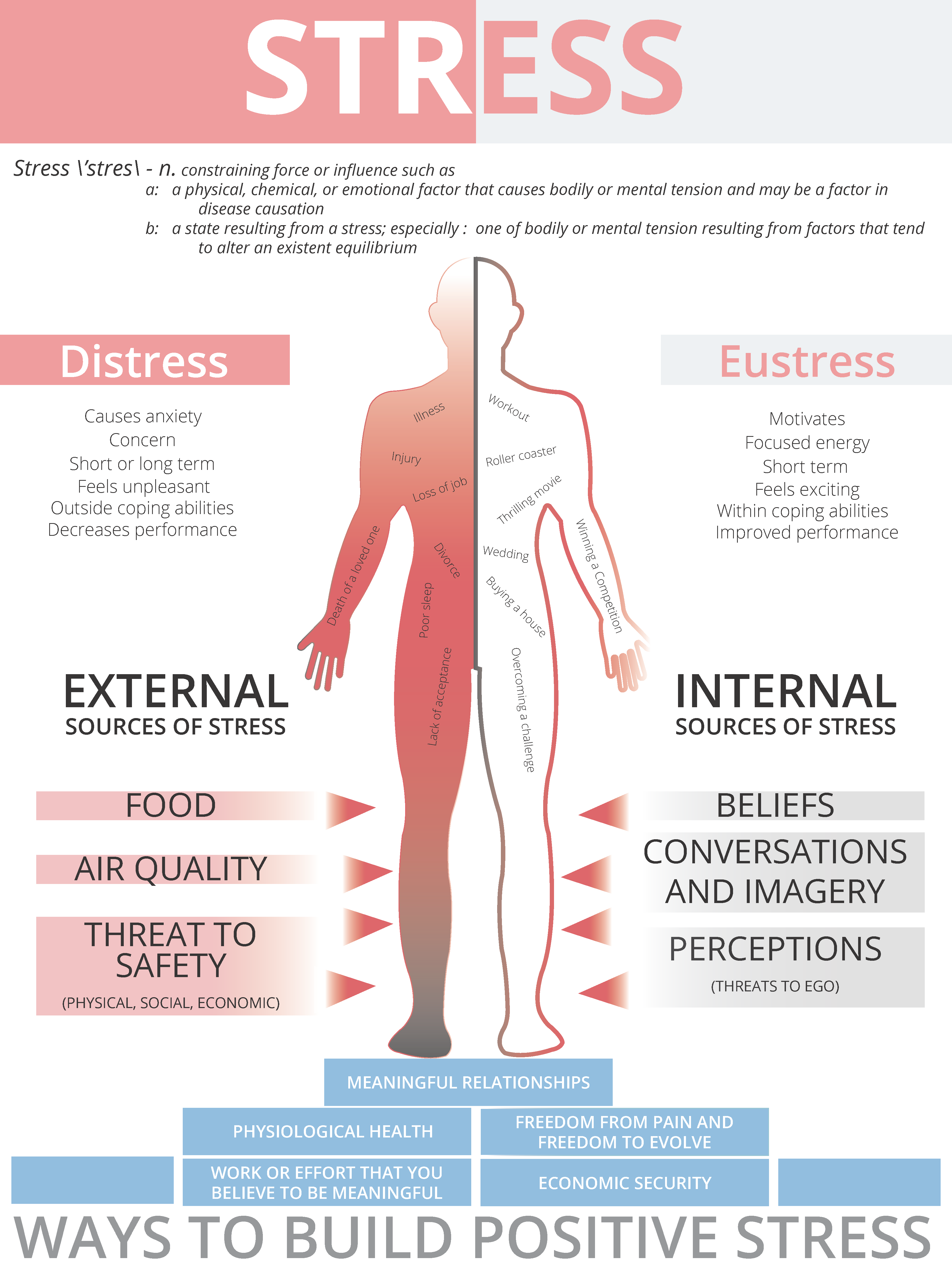
Ever feel like your living room has morphed into your office, your office into your gym, and your gym… well, probably still your gym if you’re lucky! But all those spaces blurring together can really mess with your head, can’t they? The lines between “work me” and “home me” get so fuzzy, it’s easy to feel overwhelmed and just…stressed. You’re not alone.
Working remotely offers incredible flexibility, but it also presents unique challenges that can ramp up tension and anxiety. From the pressure to always be “on” to the isolation of not having regular face-to-face interactions, and the constant battle against distractions at home, it's no wonder remote workers often struggle to maintain a sense of calm and emotional balance. Learning effective stress management techniques isn't just a perk; it's essential for thriving in the remote work environment.
Let's explore some practical ways to dial down the stress and rediscover a sense of peace amidst the digital chaos. Think of these as friendly tips from someone who gets it – because, honestly, whodoesn'tdeal with this stuff these days? These aren’t magic wands, but consistent effort can make a real difference. We’ll focus on simple, actionable steps you can weave into your daily routine to cultivate a calm mind and nurture your overall wellness.
Creating a Dedicated Workspace
Having a designated workspace is crucial for separating work from personal life. It's about creating a physical and mental boundary that signals to your brain, "Okay, now it's work time." Without this separation, it's easy for work to bleed into your evenings and weekends, leading to burnout and increased stress.
First things first: ditch the couch! While working from the sofa might seem comfy at first, it blurs the line between relaxation and work. Aim for a dedicated room, or even just a corner in a room, that’s solely for work. This space should be equipped with everything you need: a comfortable chair, a proper desk, good lighting, and all your essential tools. Think of it as your professional headquarters.
Next, make it a calming zone. Personalize your workspace with things that bring you joy and promote mental clarity. A plant, a favorite photo, or even a scented candle can create a more pleasant and less stressful environment. Just remember to keep it tidy! Clutter can contribute to feelings of overwhelm, so regularly declutter your desk and workspace to maintain a sense of order and control.
How does clutter affect stress?
Clutter overloads your senses and makes it difficult to focus. Studies have shown a direct correlation between cluttered environments and increased levels of cortisol, the stress hormone. A clean and organized workspace promotes a sense of calm and reduces mental fatigue, allowing you to approach your work with greater focus and efficiency. Imagine walking into a serene spa versus a messy storage room - which one instantly makes you feel more relaxed? The same principle applies to your workspace.
Time Management and Prioritization Strategies
Effective time management is a cornerstone of stress relief for remote workers. When you’re in control of your schedule, you’re less likely to feel overwhelmed by deadlines and competing demands. It’s about creating a structure that supports your productivity and allows you to maintain a healthy work-life balance.
Start by setting clear boundaries for your workday. Define specific start and end times, and stick to them as much as possible. This helps prevent work from encroaching on your personal time. Use a planner, calendar, or time management app to schedule your tasks and appointments. Block out specific time slots for focused work, meetings, and breaks. The Pomodoro Technique (working in focused 25-minute intervals with short breaks in between) can be a great tool for boosting productivity and maintaining concentration.
Prioritization is equally important. Learn to identify your most important tasks and tackle them first. The Eisenhower Matrix (urgent/important) can be a helpful framework for prioritizing tasks based on their urgency and importance. Don't be afraid to delegate tasks when possible, and learn to say "no" to commitments that will overload your schedule and increase your stress levels. Remember, it’s better to do a few things well than to spread yourself too thin and do everything poorly.
Incorporating Regular Breaks and Movement
Sitting for long periods can lead to physical discomfort, fatigue, and increased stress. Taking regular breaks and incorporating movement into your workday is essential for maintaining physical and mental well-being. Even short breaks can make a significant difference in your energy levels and overall mood.
Set an alarm to remind yourself to take short breaks every hour. Get up from your desk, stretch, walk around, or do some simple exercises. Even a few minutes of movement can help improve circulation, reduce muscle tension, and boost your energy levels. Consider investing in a standing desk or a treadmill desk to incorporate more movement into your workday.
Use your lunch break to step away from your computer and do something enjoyable. Go for a walk in nature, read a book, listen to music, or spend time with loved ones. Avoid eating lunch at your desk, as this can blur the boundaries between work and personal time. Incorporating mindfulness exercises during your breaks, such as deep breathing or meditation, can also help reduce stress and promote mental clarity.
What are the benefits of stretching during work?
Stretching improves circulation, reduces muscle tension, and increases flexibility. Regular stretching can alleviate pain and stiffness in the neck, shoulders, back, and wrists – common complaints among remote workers who spend long hours sitting at a desk. Stretching also releases endorphins, which have mood-boosting effects and can help reduce stress and anxiety. Simple stretches, like neck rotations, shoulder shrugs, and wrist circles, can be easily incorporated into your workday to promote physical and mental wellness.
Mindfulness and Breathing Techniques
Mindfulness and breathing techniques are powerful tools for managing stress and promoting a sense of calm and emotional balance. These practices help you become more aware of your thoughts and feelings without judgment, allowing you to respond to stress in a more mindful and intentional way.
Start by incorporating simple mindfulness exercises into your daily routine. Take a few minutes each day to focus on your breath, paying attention to the sensation of the air entering and leaving your body. Notice any thoughts or feelings that arise without trying to change them. Simply observe them and let them pass. You can also practice mindfulness during everyday activities, such as eating, walking, or washing dishes. Pay attention to the sensory details of the experience, such as the taste of your food, the feeling of your feet on the ground, or the warmth of the water on your hands.
Deep breathing exercises are another effective way to reduce stress and anxiety. Try the 4-7-8 technique: inhale deeply through your nose for 4 seconds, hold your breath for 7 seconds, and exhale slowly through your mouth for 8 seconds. Repeat this several times, focusing on the sensation of your breath. This technique helps activate the parasympathetic nervous system, which promotes relaxation and reduces the stress response. Incorporate these practices throughout your workday, especially during moments of stress or overwhelm, to cultivate a calm mind and enhance your emotional balance.
Social Connection and Boundaries
Remote work can sometimes lead to feelings of isolation and loneliness. Maintaining social connections and setting clear boundaries are essential for combating these feelings and promoting overall well-being. Human interaction is a fundamental need, and lacking it can significantly impact your mental health.
Make an effort to connect with colleagues, friends, and family on a regular basis. Schedule virtual coffee breaks or lunch dates with colleagues to chat about non-work-related topics. Join online communities or groups related to your interests or profession to connect with like-minded individuals. Make time for social activities outside of work, such as meeting up with friends, attending social events, or volunteering in your community.
Setting boundaries is equally important. Communicate your work hours to your family and friends, and let them know when you're unavailable. Turn off notifications and avoid checking work emails outside of your designated work hours. Create a clear distinction between your work and personal life to prevent burnout and maintain a healthy work-life balance. Remember, it’s okay to prioritize your own needs and set limits to protect your time and energy.
What’s the best way to deal with loneliness when working remotely?
Actively seek out connection. Don’t wait for it to come to you. Schedule regular virtual coffee breaks with colleagues, join online communities related to your interests, and make a conscious effort to connect with friends and family outside of work. Consider co-working spaces or shared office environments to combat feelings of isolation and foster a sense of community. Prioritize face-to-face interactions whenever possible, even if it’s just a quick coffee with a friend or a visit to a local community event. Remember, even small interactions can make a big difference in your overall sense of well-being.
So, there you have it – a handful of strategies to help you navigate the unique stresses of remote work. Remember, this isn't about achieving some perfect state of zen; it's about finding little ways to inject calm and control back into your day. Experiment with what resonates with you, be patient with the process, and celebrate the small victories along the way. Cultivating mental clarity and emotional balance is an ongoing journey, and you're already taking the first steps!
Post a Comment for "Stress Management Techniques for Remote Workers"