Taking Walks in Nature to Calm a Busy Mind
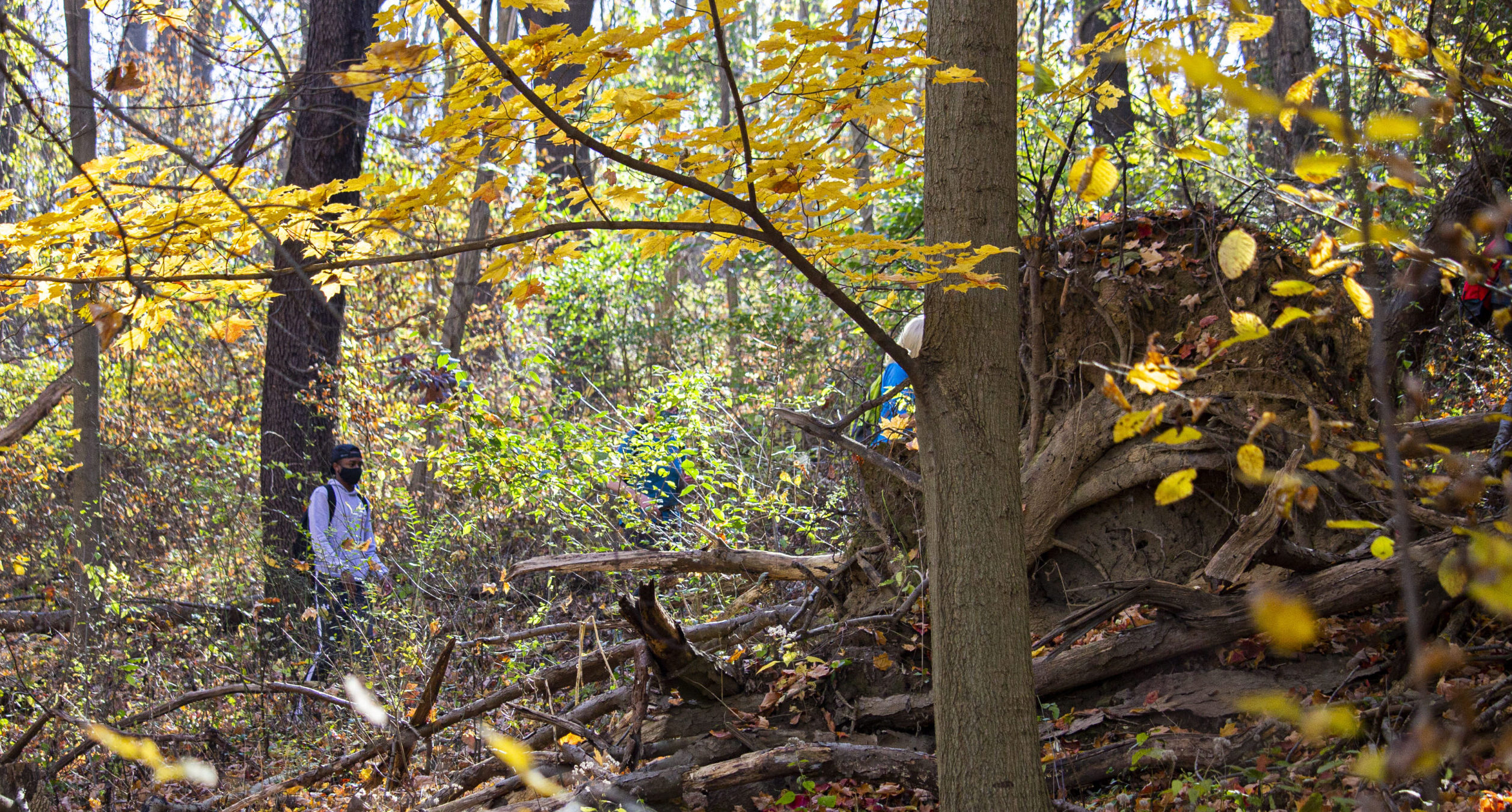
Ever feel like your mind is a browser with too many tabs open? Thoughts are buzzing, to-do lists are flashing, and you just can't seem to find the "close all" button. Life gets incredibly overwhelming sometimes, doesn’t it? It's easy to feel trapped in a whirlwind of obligations and anxieties, leaving you craving a moment of peace.
The constant connectivity and demands of modern life have made it increasingly difficult to disconnect. We're bombarded with information, deadlines loom, and personal relationships require attention. This relentless pressure often manifests as stress, anxiety, and a general feeling of being overwhelmed. Finding ways to manage these feelings is crucial for our overall wellness. And it often feels like there's just… no time.
But what if I told you the answer to calming that busy mind might be simpler – and closer – than you think? Let's explore the idea of using walks in nature as a tool for achieving mental clarity and stress relief. Even a short stroll can work wonders! It’s not about conquering a mountain; it’s about connecting with the world around you and finding a little oasis of calm in your everyday life.
Finding Your Oasis: Why Nature Walks Work
Stepping away from screens and into the natural world can be profoundly beneficial. It’s not just about the exercise; it’s about engaging your senses, shifting your focus, and giving your mind a chance to breathe. Think of it like a reset button for your brain.
How does walking in nature promote stress relief?
The science behind the calming effects of nature is fascinating. Studies have shown that spending time in green spaces can lower cortisol levels (the stress hormone), reduce blood pressure, and improve mood. The sights, sounds, and smells of nature have a soothing effect on our nervous system, promoting relaxation and a sense of well-being. It's like nature is whispering, "Slow down, breathe, everything will be okay."
Beyond the physiological benefits, nature walks also offer a much-needed break from the constant stimulation of our digital world. We're constantly bombarded with notifications, emails, and social media updates, which can leave us feeling frazzled and overwhelmed. Taking a walk in nature allows us to disconnect from these distractions and reconnect with ourselves. You're present, grounded, and able to notice the small wonders you might otherwise miss: the intricate patterns of a leaf, the sound of birdsong, the feel of the breeze on your skin. All these little things contribute to a renewed sense of calm.
Preparing for Your Walk: Setting the Stage for Calm
Before you lace up your shoes, consider a few things that can maximize the calming effects of your nature walk. It's all about intention and creating the right environment for relaxation.
Choosing your location
You don't need to trek into the wilderness to experience the benefits of nature. A local park, a tree-lined street, or even a small garden can provide a calming escape. The key is to choose a location that feels peaceful and safe to you. Look for places with minimal traffic noise and plenty of green space. Even a small patch of nature can offer a welcome respite from the stresses of daily life.
Consider the type of environment that resonates with you. Do you prefer the tranquility of a forest, the openness of a field, or the sound of water flowing in a stream? Experiment with different locations to find what feels most restorative. The goal is to create a space where you can relax and connect with nature on a deeper level.
What to bring (and what to leave behind)
Keep it simple. The aim is to disconnect and de-stress, so resist the urge to overpack. A comfortable pair of shoes, a bottle of water, and maybe a light jacket are all you really need. Leave your phone at home or, at the very least, put it on silent and resist the urge to check it constantly. This is your time to disconnect from the digital world and fully immerse yourself in the present moment.
Consider bringing a small notebook and pen if you find it helpful to jot down your thoughts or observations. Sometimes, simply writing down your worries can help to release them. Alternatively, you could bring a camera to capture the beauty of your surroundings. But remember, the goal is not to document everything perfectly, but to engage with your senses and appreciate the present moment.
Walking with Intention: Mindfulness in Motion
Once you're out in nature, focus on being present in the moment. This is where the magic truly happens. It's about engaging all your senses and letting go of the mental chatter that often fills our minds.
Breathing techniques for a calm mind
Start by paying attention to your breath. Take slow, deep breaths, inhaling through your nose and exhaling through your mouth. Notice how your body feels with each breath. Try to synchronize your breath with your steps, inhaling for a certain number of steps and exhaling for the same number. This can help to ground you in the present moment and calm your nervous system.
There are many different breathing techniques you can try. One simple technique is the "4-7-8" breath: inhale deeply through your nose for four seconds, hold your breath for seven seconds, and exhale slowly through your mouth for eight seconds. Repeat this several times to calm your mind and reduce anxiety. Experiment with different techniques to find what works best for you.
Engaging your senses
As you walk, pay attention to the sights, sounds, smells, and textures around you. Notice the colors of the leaves, the sound of birdsong, the scent of flowers, and the feel of the earth beneath your feet. Engage all your senses to fully immerse yourself in the experience.
Try to notice details you might normally overlook. Look closely at the intricate patterns of a leaf, the way the sunlight filters through the trees, or the movement of the wind in the grass. The more you engage your senses, the more present you will become, and the less room there will be for anxious thoughts.
Letting go of mental chatter
It's natural for your mind to wander during your walk. When you notice your thoughts drifting, gently bring your attention back to the present moment. Don't judge yourself for getting distracted; simply acknowledge the thought and let it go.
Imagine your thoughts as clouds passing through the sky. Observe them without getting caught up in them. Let them come and go without judgment. The more you practice this, the easier it will become to quiet your mind and find a sense of inner peace.
Beyond the Walk: Integrating Nature into Daily Life
The benefits of nature walks don't have to end when you return home. There are many ways to integrate nature into your daily life to maintain a sense of calm and well-being.
Bringing nature indoors
Even if you can't always get outside, you can bring nature indoors. Fill your home with plants, flowers, and natural materials. Studies have shown that indoor plants can improve air quality, reduce stress, and boost mood.
Consider adding a small water feature, such as a fountain or a small aquarium, to create a calming atmosphere. Play nature sounds in the background, such as birdsong or the sound of rain. These simple changes can transform your home into a peaceful sanctuary.
Mindful moments in nature
Look for opportunities to incorporate mindful moments in nature into your daily routine. Take a few minutes to sit outside and enjoy the sunshine. Listen to the birds singing in the morning. Take a deep breath of fresh air. Even a few minutes of mindful connection with nature can make a big difference in your overall well-being.
Try to find a green space near your workplace or school. Take a short walk during your lunch break to de-stress and recharge. These small moments of connection with nature can help you to stay grounded and focused throughout the day.
Creating a nature journal
Keeping a nature journal can be a wonderful way to deepen your connection with the natural world. Write down your observations, thoughts, and feelings about your experiences in nature. Sketch plants, animals, or landscapes that inspire you.
A nature journal can be a place to reflect on your experiences and track your progress in developing a more mindful connection with nature. It can also be a valuable resource for remembering the beauty and wonder of the natural world.
So, where does all this leave us? Taking walks in nature isn’t a cure-all, but it’s a powerful tool for managing stress and cultivating a calm mind. It’s about slowing down, connecting with your senses, and finding a little peace in the midst of a busy world. Whether it’s a quick stroll through your local park or a more adventurous hike in the woods, make time for nature. You might be surprised at how much it can do for your well-being. Give it a try! Your mind will thank you.
Post a Comment for "Taking Walks in Nature to Calm a Busy Mind"