When Stress Feels Too Much: Cue Signs and Coping Tools
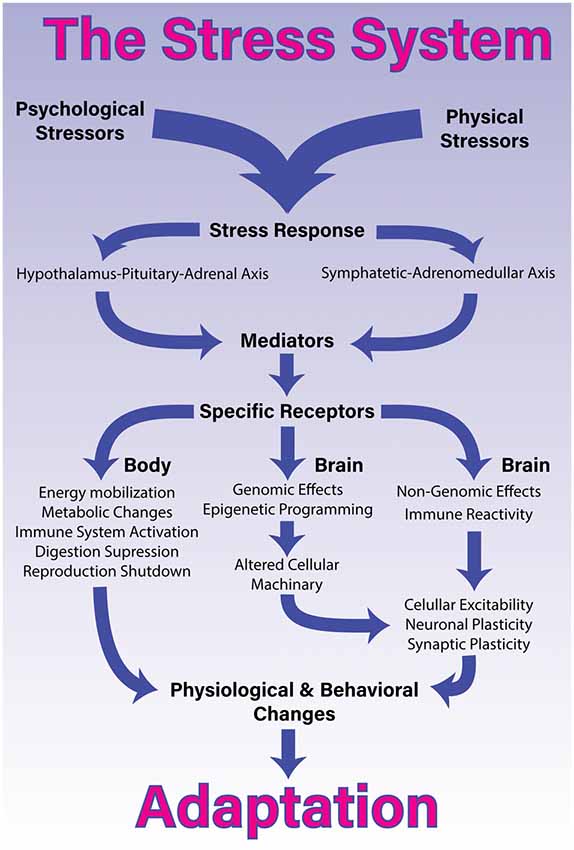
Ever feel like you’re juggling a million things at once, and any second now, everything’s going to come crashing down? Like you’re walking a tightrope over a pit of alligators, and the slightest wobble sends shivers of panic through you? We’ve all been there. Life throws curveballs, deadlines loom, relationships get complicated, and before you know it, you're drowning in a sea of stress. It’s a universal experience, but that doesn’t make it any less overwhelming when you're in the thick of it.
We're constantly bombarded with demands – from work, family, social obligations, and even our own internal expectations. This pressure cooker environment can lead to chronic stress, leaving you feeling drained, irritable, and just plain burnt out. Identifying the signs of overwhelming stress is the first step towards reclaiming your well-being and finding your way back to a calmer, more balanced state. Recognizing these cues allows you to implement strategies before you reach the breaking point.
But here’s the good news: you're not powerless. You have the ability to learn coping tools and techniques to navigate these challenging times. Think of it like building a mental first-aid kit filled with strategies to soothe your mind and body. We can start by understanding our individual responses to tension. This involves tuning into your body’s signals, acknowledging your emotional landscape, and developing practical strategies to regain control. It's a journey of self-discovery and empowerment, and it’s absolutely within your reach.
Let’s embark on this journey together. By recognizing the signs of excessive pressure and learning effective coping mechanisms, you can transform your relationship with stress and cultivate a more resilient and peaceful life. It’s about progress, not perfection.
Recognizing the Red Flags: Signs Your Stress Levels Are Too High
It’s easy to dismiss early signs of stress as just a "bad day" or a temporary blip. However, ignoring these signals can allow stress to snowball into a much bigger problem. Learning to recognize these red flags is crucial for proactive self-care. Everyone experiences stress differently, so paying attention to your unique physical, emotional, and behavioral responses is key.
Physical Symptoms: Our bodies are incredibly wise and often the first to sound the alarm. Pay attention to these physical indicators: Persistent headaches or muscle tension: Are you constantly reaching for pain relievers? Notice where you hold tension – neck, shoulders, jaw? This chronic tightness can be a telltale sign. Digestive issues: Stress can wreak havoc on your gut, leading to stomachaches, bloating, constipation, or diarrhea. The gut-brain connection is strong, and emotional distress often manifests physically. Sleep disturbances: Difficulty falling asleep, staying asleep, or waking up feeling unrested are common indicators of stress. Racing thoughts, anxiety, or physical tension can interfere with your sleep cycle. Fatigue and low energy: Feeling constantly drained, even after adequate sleep, can signal that your body is in a state of chronic stress. Stress hormones can deplete your energy reserves over time. Changes in appetite: Some people lose their appetite completely when stressed, while others turn to food for comfort, leading to overeating or unhealthy cravings. Increased heart rate or palpitations: Feeling your heart race or skip a beat can be a sign of heightened anxiety and stress. Weakened immune system: Frequent colds or infections can indicate that stress is compromising your immune system, making you more vulnerable to illness.
Emotional Symptoms: Your emotions provide valuable insights into your stress levels. Be mindful of these emotional cues: Irritability and mood swings: Are you snapping at loved ones or feeling easily agitated? Unexplained shifts in mood can signal underlying stress. Anxiety and worry: Constant worrying, racing thoughts, and feelings of apprehension are classic symptoms of anxiety, often fueled by stress. Difficulty concentrating: Are you finding it hard to focus, remember things, or make decisions? Stress can impair cognitive function and mental clarity. Feeling overwhelmed: A sense of being buried under a mountain of tasks and responsibilities is a common symptom of high stress. Sadness or depression: Prolonged stress can contribute to feelings of sadness, hopelessness, or even depression. Loss of interest in activities you used to enjoy: Apathy and a lack of enthusiasm for hobbies or social activities can indicate emotional burnout. Feeling detached or numb: Sometimes, as a coping mechanism, people may feel emotionally detached or numb when faced with overwhelming stress.
Behavioral Symptoms: Changes in your behavior can also signal that you're under excessive stress: Procrastination and avoidance: Putting off tasks, avoiding responsibilities, or withdrawing from social interactions can be a way of coping with stress, but it often exacerbates the problem. Increased use of alcohol, drugs, or other substances: Turning to substances to numb feelings or cope with stress can lead to addiction and other health problems. Changes in social habits: Withdrawing from friends and family, or conversely, becoming overly reliant on others for reassurance, can indicate that you're struggling to cope. Neglecting personal hygiene or appearance: When stress is overwhelming, self-care often falls by the wayside. Difficulty making decisions: Feeling paralyzed by choices, big or small, can be a sign that stress is impairing your cognitive function. Restlessness or fidgeting: An inability to sit still, constant fidgeting, or pacing can indicate underlying anxiety and stress. Increased criticism of self and others: Heightened self-criticism or finding fault with others can be a manifestation of inner turmoil and stress.
Recognizing these signs in yourself or others is the first step towards taking action and implementing effective stress-management strategies. Don't ignore the whispers of your body and mind – listen to what they're telling you.
Building Your Mental First-Aid Kit: Practical Coping Tools
Once you’ve identified the warning signs that your stress levels are too high, it’s time to equip yourself with effective coping tools. These techniques are designed to help you manage stress in the moment, as well as build long-term resilience. Remember, finding what works best for you is a process of experimentation.
Mindfulness and Meditation: These practices help you cultivate present-moment awareness, reducing the grip of anxious thoughts and promoting a sense of calm.
Mindful breathing: Simply focusing on your breath can be incredibly grounding. Try the 4-7-8 technique: inhale deeply for 4 seconds, hold your breath for 7 seconds, and exhale slowly for 8 seconds. Repeat several times. This helps activate the parasympathetic nervous system, promoting relaxation. Body scan meditation: This involves systematically focusing on different parts of your body, noticing any sensations without judgment. It helps you become more aware of physical tension and release it. Guided meditation: Numerous apps and online resources offer guided meditations for stress relief, anxiety, and improved sleep. Find one that resonates with you. Mindful walking: Pay attention to the sensations of your feet on the ground, the air on your skin, and the sounds around you. This can help you break free from racing thoughts and ground yourself in the present moment.
Physical Activity: Exercise is a powerful stress reliever, releasing endorphins that have mood-boosting effects.
Aerobic exercise: Activities like running, swimming, cycling, or dancing can help reduce stress hormones and improve cardiovascular health. Aim for at least 30 minutes of moderate-intensity exercise most days of the week. Yoga and tai chi: These practices combine physical postures, breathing techniques, and meditation to promote relaxation, flexibility, and emotional balance. Walking in nature: Spending time outdoors has been shown to reduce stress and improve mood. Take a stroll in a park, forest, or along the beach. Strength training: Lifting weights can help reduce stress and improve overall physical and mental well-being.
Relaxation Techniques: These techniques help calm your nervous system and reduce physical tension.
Progressive muscle relaxation: This involves tensing and releasing different muscle groups in your body, one at a time. It helps you become aware of muscle tension and release it. Autogenic training: This technique uses mental imagery and self-suggestion to induce relaxation. You focus on sensations of warmth and heaviness in your limbs. Deep breathing exercises: Beyond mindful breathing, explore different breathing patterns like diaphragmatic breathing (belly breathing) to promote relaxation. Warm bath or shower:Soaking in warm water can help relax your muscles and calm your mind. Add Epsom salts or essential oils for added benefits.
Cognitive Techniques: These strategies help you challenge negative thoughts and reframe stressful situations.
Thought journaling: Write down your negative thoughts and challenge their validity. Are they based on facts or assumptions? Can you reframe them in a more positive light? Cognitive restructuring: Identify negative thought patterns and replace them with more realistic and balanced thoughts. For example, instead of thinking "I'm going to fail," try "I'm prepared and I'll do my best." Positive self-talk: Replace negative self-criticism with encouraging and supportive statements. Remind yourself of your strengths and accomplishments. Gratitude practice: Focus on the things you're grateful for in your life. This can shift your perspective and improve your overall mood. Problem-solving:Break down overwhelming problems into smaller, more manageable steps. Focus on what you can control and let go of what you can't.
Lifestyle Changes: Making small changes to your daily routine can significantly reduce stress.
Prioritize sleep: Aim for 7-9 hours of quality sleep each night. Establish a regular sleep schedule and create a relaxing bedtime routine. Healthy diet: Nourish your body with wholesome foods and limit processed foods, sugar, and caffeine. A balanced diet can improve your mood and energy levels. Limit screen time: Excessive screen time can contribute to stress and anxiety. Take breaks from your devices and engage in offline activities. Set boundaries: Learn to say no to requests that overwhelm you. Protect your time and energy by setting clear boundaries. Time management: Prioritize tasks, break them down into smaller steps, and avoid multitasking. Effective time management can reduce feelings of overwhelm. Social connection: Spend time with loved ones and nurture your relationships. Social support is crucial for managing stress and promoting well-being. Engage in hobbies and activities you enjoy:Make time for activities that bring you joy and relaxation. This can help you recharge and reduce stress.
How does social media affect stress?
Social media can contribute to stress in several ways. Constant exposure to curated, often unrealistic, depictions of other people's lives can lead to feelings of inadequacy and social comparison. The pressure to present a perfect image online, coupled with the fear of missing out (FOMO), can trigger anxiety and stress. Additionally, the constant stream of news and information, including negative or controversial content, can be overwhelming and contribute to a sense of unease. Cyberbullying and online harassment are also significant stressors associated with social media use. Taking regular breaks from social media and being mindful of the content you consume can help mitigate these negative effects.
What’s the best way to build a calm mind?
Building a calm mind is a process that requires consistent effort and self-compassion. Start by incorporating mindfulness practices into your daily routine, such as mindful breathing or meditation. Engage in activities that promote relaxation, like yoga, tai chi, or spending time in nature. Prioritize sleep, eat a healthy diet, and limit your intake of caffeine and alcohol. Practice gratitude and cultivate positive self-talk. Learn to identify and challenge negative thought patterns. Set realistic goals and avoid overcommitting yourself. Finally, seek support from friends, family, or a mental health professional when needed. Remember, building a calm mind is a journey, not a destination. Be patient with yourself and celebrate your progress along the way.
Putting It All Together: Creating a Personalized Stress-Management Plan
The key to successful stress management is creating a personalized plan that integrates the coping tools that resonate with you. There's no one-size-fits-all approach; it's about tailoring the strategies to your individual needs and preferences. Here's how to craft a plan that works for you:
1.Self-Assessment: Regularly check in with yourself to identify your stress triggers and warning signs. Keep a journal to track your physical, emotional, and behavioral responses to stress.
2.Experimentation: Try out different coping tools and techniques to see what works best for you. Don't be afraid to modify or adapt them to fit your individual needs.
3.Integration: Incorporate your chosen coping tools into your daily routine. Schedule time for activities that promote relaxation and stress relief, just as you would for any other important appointment.
4.Flexibility: Your stress levels and needs will fluctuate over time, so be prepared to adjust your plan accordingly. Regularly evaluate your strategies and make changes as needed.
5.Self-Compassion: Be kind to yourself. Stress is a normal part of life, and it's okay to struggle sometimes. Avoid self-criticism and focus on progress, not perfection.
6.Seek Support: Don't hesitate to reach out to friends, family, or a mental health professional for support. Talking about your stress can be incredibly helpful.
Remember, building resilience to stress is a marathon, not a sprint. Be patient with yourself, celebrate your successes, and learn from your setbacks. By equipping yourself with the right tools and strategies, you can navigate life's challenges with greater ease and cultivate a more peaceful and fulfilling life.
It’s about listening to your body, acknowledging your emotions, and taking proactive steps to care for your well-being. By building your mental first-aid kit, you're empowering yourself to navigate life's challenges with greater resilience and grace. And remember, seeking support is a sign of strength, not weakness. Don't hesitate to reach out to friends, family, or a mental health professional if you're struggling. You’ve got this.
Post a Comment for "When Stress Feels Too Much: Cue Signs and Coping Tools"