Aromatherapy for Stress: What Actually Works?
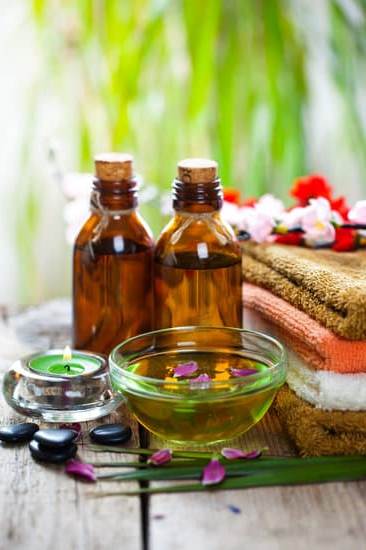
Ever feel like your brain is a browser with a hundred tabs open, each one blasting a different notification? You're juggling work deadlines, family needs, that never-ending to-do list, and suddenly, your shoulders are around your ears, and your jaw is clenched. We’ve all been there, desperately searching for a little oasis of calm in the chaos.
That feeling of being constantly on edge, wired but tired? It’s often rooted in the daily stress and tension that creeps into our lives. The relentless demands of modern life can leave us feeling overwhelmed and depleted. You might find yourself tossing and turning at night, struggling to focus during the day, or snapping at loved ones for no apparent reason. It's like a persistent hum in the background, constantly draining your energy and preventing you from truly relaxing.
But what if you could find a simple, natural way to dial down the noise and gently guide yourself back to a calmer state? That’s where the power of scent comes in. Aromatherapy, the art of using essential oils to promote well-being, has been around for centuries. And while it's not a magic bullet, it can be a surprisingly effective tool for managing stress and cultivating a sense of emotional balance. Let's explore how you can incorporate aromatherapy into your daily routine to create a more peaceful and centered life.
Understanding Aromatherapy and Stress
Aromatherapy isn't just about nice smells; it's about harnessing the therapeutic properties of essential oils to influence your mood and overall well-being. These oils, extracted from plants, contain complex chemical compounds that can interact with your brain and body in various ways. The sense of smell is directly linked to the limbic system, the part of your brain that governs emotions, memory, and behavior. This direct connection is why certain scents can trigger powerful memories or evoke specific feelings.
When you inhale an essential oil, the molecules travel through your nasal passages to olfactory receptors, which then send signals directly to the limbic system. This can trigger the release of neurotransmitters like serotonin and dopamine, which are associated with feelings of pleasure and relaxation. Certain essential oils can also help to lower cortisol levels, the hormone associated with stress.
How does the limbic system affect stress?
The limbic system plays a crucial role in processing and responding to stress. It's responsible for the "fight or flight" response, which is triggered when you perceive a threat. When activated, the limbic system releases stress hormones like cortisol and adrenaline, preparing your body to either confront the threat or flee from it.
However, in modern life, we're often exposed to chronic, low-level stressors that keep the limbic system in a state of constant activation. This can lead to a variety of negative consequences, including anxiety, insomnia, digestive problems, and a weakened immune system. By using aromatherapy to influence the limbic system, you can help to regulate your stress response and promote a sense of calm and well-being.
Choosing the Right Essential Oils
Not all essential oils are created equal, and not all oils are effective for stress relief. Some oils are stimulating and energizing, while others are calming and relaxing. When choosing essential oils for stress management, it's important to select those that are known for their soothing and grounding properties. Here are a few of the most popular and effective choices: Lavender: Perhaps the most well-known essential oil for relaxation, lavender is renowned for its calming and sleep-promoting properties. It can help to reduce anxiety, ease tension headaches, and promote a sense of peace. Chamomile: Similar to lavender, chamomile has a gentle and soothing effect on the nervous system. It can help to reduce irritability, promote relaxation, and improve sleep quality. There are two primary types: Roman and German. Roman chamomile is often preferred for its gentler aroma. Frankincense: This ancient oil is known for its grounding and spiritual properties. It can help to reduce anxiety, promote mental clarity, and deepen your sense of connection to yourself and the world around you. Bergamot: A citrus oil with a bright and uplifting scent, bergamot is known for its ability to lift your mood and reduce feelings of sadness and depression. It also has calming properties that can help to ease anxiety. Ylang Ylang: With its sweet, floral aroma, ylang ylang is a powerful relaxant that can help to reduce anxiety, lower blood pressure, and promote feelings of joy and well-being. Sandalwood: A woodsy and grounding oil, sandalwood is often used in meditation practices to promote a sense of calm and focus. It can help to reduce anxiety, ease tension, and promote emotional balance. Sweet Orange:This bright, citrusy scent is a fantastic mood booster. It can help to alleviate stress, reduce anxiety, and promote feelings of happiness and optimism.
When selecting essential oils, always choose high-quality, pure essential oils from reputable sources. Look for oils that are labeled as "100% pure essential oil" and avoid those that contain synthetic fragrances or additives.
How to Use Essential Oils for Stress Relief
There are many ways to incorporate essential oils into your daily routine for stress relief. Here are a few of the most popular and effective methods: Aromatherapy Diffuser: An aromatherapy diffuser disperses essential oil molecules into the air, allowing you to inhale them throughout the day. This is a great way to create a calming and relaxing atmosphere in your home or office. Simply add a few drops of your chosen essential oil to the diffuser and let it run for 30-60 minutes at a time. Topical Application: You can apply essential oils directly to your skin, but it's important to dilute them first with a carrier oil, such as jojoba oil, sweet almond oil, or coconut oil. A good rule of thumb is to use a 1-3% dilution (1-3 drops of essential oil per teaspoon of carrier oil). Common application points include the temples, wrists, back of the neck, and soles of the feet. For example, gently massaging diluted lavender oil into your temples can help to relieve a tension headache. Aromatic Bath: Adding a few drops of essential oil to a warm bath can be a wonderful way to relax and unwind. Be sure to dilute the essential oil with a carrier oil or Epsom salts before adding it to the water to prevent skin irritation. Lavender, chamomile, and sandalwood are all excellent choices for a relaxing bath. Inhalation: You can inhale essential oils directly from the bottle or by adding a few drops to a cotton ball or tissue. Hold the cotton ball or tissue close to your nose and inhale deeply for several breaths. This is a quick and easy way to get a boost of relaxation on the go. You can also create a steam inhalation by adding a few drops of essential oil to a bowl of hot water, covering your head with a towel, and inhaling the steam for 5-10 minutes. Massage: A massage with essential oils can be a deeply relaxing and therapeutic experience. Choose an essential oil that you find calming and blend it with a carrier oil. Ask a friend or partner to give you a massage, or treat yourself to a professional aromatherapy massage. DIY Aromatherapy Jewelry: Create your own aromatherapy diffuser jewelry by adding a few drops of essential oil to a lava bead or a piece of porous clay. The jewelry will slowly release the scent throughout the day, providing you with a constant source of stress relief.
What’s the best way to combine oils?
Creating your own aromatherapy blends can be a fun and rewarding way to customize your stress relief routine. When combining essential oils, it's important to consider their aroma and therapeutic properties. Here are a few tips for creating effective blends: Start with a base note: Base notes are grounding and long-lasting scents that form the foundation of your blend. Examples include sandalwood, frankincense, and cedarwood. Add a middle note: Middle notes are the heart of your blend, providing balance and complexity. Examples include lavender, chamomile, and geranium. Top it off with a top note: Top notes are light and refreshing scents that provide an initial burst of aroma. Examples include bergamot, lemon, and peppermint. Experiment with different combinations: Don't be afraid to experiment with different combinations of essential oils until you find a blend that you love. Keep it simple: Start with just a few essential oils and gradually add more as you become more comfortable with blending. Consider the therapeutic properties: Choose essential oils that have complementary therapeutic properties. For example, lavender and chamomile are both known for their calming and sleep-promoting properties, so they would make a great combination for a bedtime blend.
Here are a few sample aromatherapy blends for stress relief: Calming Blend: 3 drops lavender, 2 drops chamomile, 1 drop frankincense Uplifting Blend: 3 drops bergamot, 2 drops sweet orange, 1 drop ylang ylang Grounding Blend:3 drops sandalwood, 2 drops cedarwood, 1 drop vetiver
Integrating Aromatherapy into Your Daily Life
The key to reaping the benefits of aromatherapy for stress relief is to make it a consistent part of your daily routine. Here are a few ideas for integrating aromatherapy into your everyday life: Morning Ritual: Start your day with a few deep breaths of an uplifting essential oil, such as bergamot or sweet orange, to energize your mind and body. Workday Focus: Keep a diffuser on your desk with a blend of essential oils that promote focus and concentration, such as rosemary and lemon. Commute Calm: Add a few drops of lavender or chamomile to a car diffuser or a cotton ball and place it in your car to create a more relaxing commute. Evening Wind-Down: Diffuse lavender or chamomile in your bedroom an hour before bedtime to promote relaxation and improve sleep quality. Mindful Moments:Incorporate aromatherapy into your meditation or yoga practice to deepen your sense of calm and focus.
How does X affect stress? Breathing Techniques
Breathing techniques are another powerful tool for managing stress and promoting relaxation. When you're stressed, your breathing tends to become shallow and rapid. By consciously slowing down and deepening your breath, you can activate the parasympathetic nervous system, which is responsible for the "rest and digest" response.
Combining aromatherapy with breathing techniques can be a particularly effective way to reduce stress. Try adding a few drops of your favorite essential oil to a tissue or cotton ball and holding it close to your nose. Then, practice one of the following breathing techniques: Diaphragmatic Breathing: Place one hand on your chest and the other on your abdomen. Inhale deeply through your nose, allowing your abdomen to rise while keeping your chest relatively still. Exhale slowly through your mouth, allowing your abdomen to fall. Box Breathing: Inhale deeply through your nose for a count of four, hold your breath for a count of four, exhale slowly through your mouth for a count of four, and hold your breath again for a count of four. Repeat this cycle for several minutes. Alternate Nostril Breathing:Close your right nostril with your thumb and inhale deeply through your left nostril. Then, close your left nostril with your ring finger and exhale through your right nostril. Inhale through your right nostril and then close it with your thumb and exhale through your left nostril. Continue alternating nostrils for several minutes.
These are just a few examples of how you can incorporate aromatherapy and breathing techniques into your daily life to manage stress and promote a sense of calm and well-being. Remember to be patient and experiment with different essential oils and techniques until you find what works best for you.
Ultimately, aromatherapy is about finding what resonates with you and makes you feel good. It's a journey of self-discovery, guided by the power of scent. Whether you diffuse a calming blend in your home, apply a soothing oil to your temples, or simply take a few deep breaths of your favorite aroma, aromatherapy can be a valuable tool for navigating the stresses of modern life and cultivating a greater sense of emotional balance. By incorporating these practices into your daily routine, you can create a more peaceful and centered life, one scent at a time.
Post a Comment for "Aromatherapy for Stress: What Actually Works?"