How Light Affects Stress Levels (and How to Use It)
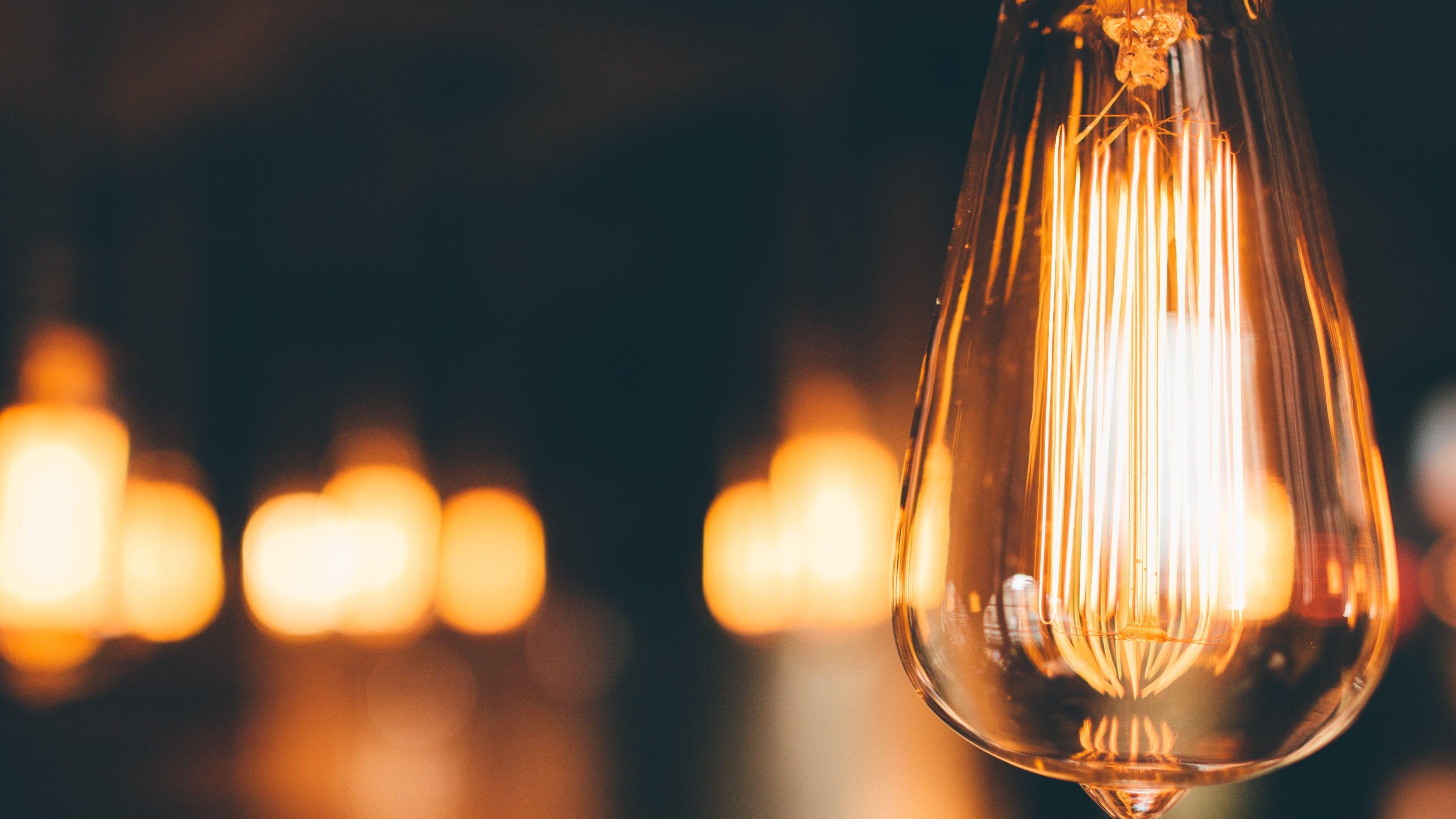
Ever notice how a gloomy, overcast day can just seem to drain your energy and make everything feel a bit…heavier? Or how a bright, sunny morning can instantly lift your spirits? It's not just your imagination. The light around us plays a surprisingly powerful role in our overall well-being, and yes, even our stress levels. We often underestimate the simple, everyday things that impact our mental state, but paying attention to the light might just be the easiest way to nudge ourselves towards a calmer, happier space.
Think about those moments of tension: staring at a computer screen for hours under harsh fluorescent lighting, struggling to fall asleep in a room flooded with blue light from your devices, or feeling cooped up inside during a long, dark winter. These light-related stressors can contribute to headaches, eye strain, disrupted sleep patterns, and even feelings of anxiety and depression. It’s like our bodies are constantly trying to adjust and cope with an environment that doesn’t quite feel right. The good news is, understanding how light affects us gives us the power to make small but significant changes that can promote relaxation, improve focus, and ultimately, lead to a more balanced and less stressed life.
One of the most effective ways to harness the power of light for stress relief is through a practice called "light hygiene." It’s similar to sleep hygiene, but instead of focusing solely on bedtime routines, it involves being mindful of your light exposure throughout the entire day. Think of it as curating your light environment to support your natural rhythms and promote a sense of calm and well-being. It's all about strategically maximizing beneficial light and minimizing disruptive light, creating an atmosphere that nurtures both your mind and body. It doesn't require expensive equipment or complicated routines. It's simply about becoming more aware of the light around you and making choices that support your overall wellness.
By understanding the impact of light on your mood and energy levels, and by implementing simple light hygiene practices, you can create a more supportive and calming environment for yourself. From adjusting your screen settings to spending more time outdoors, these small adjustments can make a big difference in your stress levels and overall well-being. Consider this an invitation to explore the power of light and discover how it can become a valuable tool in your journey towards a calmer, more balanced life.
Understanding the Science: How Light Affects Your Body
Light isn't just something that allows us to see; it’s a crucial regulator of our body’s internal clock, also known as the circadian rhythm. This rhythm controls everything from our sleep-wake cycle to hormone production, influencing our mood, energy levels, and even our immune system. When our circadian rhythm is disrupted, it can throw everything off balance, leading to increased stress, fatigue, and a host of other health problems.
The key player in this process is a hormone called melatonin, which is primarily responsible for regulating sleep. Light exposure, especially in the morning, suppresses melatonin production, signaling to our bodies that it’s time to wake up and be alert. Conversely, darkness triggers melatonin release, preparing us for sleep. The problem is that modern life often exposes us to artificial light at the wrong times, disrupting this natural cycle.
Think about scrolling through your phone late at night, bathed in the blue light emitted by the screen. This blue light mimics daylight, tricking your brain into thinking it’s still daytime and suppressing melatonin production. As a result, you might find it harder to fall asleep, and even if you do, your sleep quality may suffer. Over time, this chronic sleep deprivation can contribute to increased stress, anxiety, and even depression.
Practical Steps to Improve Your Light Hygiene
So, how can you improve your light hygiene and create a more supportive light environment? Here are a few practical steps you can take, starting today:
1.Maximize Natural Light During the Day: Open your blinds and curtains first thing in the morning to let in as much natural light as possible. If you work indoors, try to position your desk near a window, or take regular breaks to go outside and soak up some sunshine. Even on cloudy days, natural light is still beneficial. Studies have shown that spending time in natural light can boost mood, improve focus, and increase energy levels.
2.Invest in Full-Spectrum Light Bulbs: If you live in a region with long, dark winters, or if you spend most of your time indoors, consider investing in full-spectrum light bulbs. These bulbs mimic natural sunlight and can help to combat seasonal affective disorder (SAD) and improve your overall mood.
3.Dim the Lights in the Evening: As the evening approaches, start dimming the lights in your home to signal to your body that it’s time to wind down. Avoid harsh overhead lighting and opt for softer, warmer light sources like lamps or candles (use caution, of course!). This will help to stimulate melatonin production and prepare you for a restful night’s sleep.
4.Reduce Blue Light Exposure: Blue light emitted from electronic devices can be particularly disruptive to sleep. Use blue light filters on your computer, phone, and tablet, especially in the evening. You can also download apps that automatically adjust the color temperature of your screen based on the time of day, reducing blue light exposure as it gets later. Many devices now have a “night mode” or “dark mode” setting that accomplishes the same goal.
5.Create a Dark Sleep Environment: Make sure your bedroom is as dark as possible. Use blackout curtains or blinds to block out any external light sources, and consider using a sleep mask if necessary. Even small amounts of light can disrupt your sleep.
6.Consider a Sunrise Alarm Clock: Instead of being jolted awake by a loud alarm, consider using a sunrise alarm clock. These clocks gradually increase the light in your room over a period of 30 minutes or so, mimicking a natural sunrise and gently waking you up. This can help to reduce morning grogginess and improve your overall mood.
7.Get outside even on cloudy days: The light outside is still brighter than the light inside, even on a day when it seems dim. A short walk can make a world of difference.
Addressing Specific Light-Related Stressors
Beyond general light hygiene practices, it's also important to address specific light-related stressors in your life. Here are a few common scenarios and how to deal with them: Computer Eye Strain:Staring at a computer screen for long periods can cause eye strain, headaches, and blurred vision. To combat this, take regular breaks to look away from your screen and focus on distant objects. Adjust your screen brightness and contrast to a comfortable level, and consider using an anti-glare screen filter. Make sure your monitor is positioned at arm's length and slightly below eye level. Remember the 20-20-20 rule: every 20 minutes, look at something 20 feet away for 20 seconds.
Fluorescent Lighting: Fluorescent lighting can be harsh and flickering, which can contribute to headaches, eye strain, and fatigue. If you work in an office with fluorescent lighting, try to position yourself away from the direct glare of the lights. You can also ask your employer about replacing the fluorescent bulbs with full-spectrum bulbs or adding lamps to your workspace to provide softer, more natural light.
Seasonal Affective Disorder (SAD): SAD is a type of depression that occurs during the winter months when there is less natural sunlight. If you experience symptoms of SAD, such as fatigue, low mood, and difficulty concentrating, consider using a light therapy box. These boxes emit a bright, full-spectrum light that can help to stimulate melatonin production and improve your mood. Consult with your doctor or a mental health professional to determine the appropriate type and duration of light therapy for you.
How does screen time affect stress and sleep?
Prolonged screen time, especially before bed, significantly impacts both stress levels and sleep quality. The blue light emitted from screens suppresses melatonin, the hormone that regulates sleep, making it harder to fall asleep and disrupting sleep cycles. This sleep deprivation can lead to increased stress, anxiety, and impaired cognitive function. The constant stimulation from social media, news, and other online content can also contribute to mental overload and exacerbate stress.
What's the best way to optimize light for a home office?
Optimizing light in a home office involves maximizing natural light, using full-spectrum light bulbs, and minimizing glare. Position your desk near a window to take advantage of natural light, and supplement with full-spectrum light bulbs to mimic natural sunlight. Adjust screen brightness and contrast to reduce eye strain, and use an anti-glare screen filter. Avoid harsh overhead lighting and opt for softer, more diffuse light sources.
How can light help with achieving a calm mind?
Strategic light exposure can significantly contribute to a calm mind by regulating the circadian rhythm and promoting relaxation. Morning sunlight helps to synchronize the body's natural clock, boosting mood and energy levels. Dimming the lights in the evening and reducing blue light exposure can stimulate melatonin production, preparing the body for sleep. Creating a balanced light environment can reduce stress, improve focus, and promote a sense of overall well-being, leading to a calmer and more focused mind. Light boxes are also useful for the winter months.
Beyond the Basics: Cultivating a Holistic Approach to Light
While light hygiene is a powerful tool, it’s most effective when combined with other stress-reduction techniques and healthy lifestyle habits. Think of it as one piece of a larger puzzle.
Mindfulness and Meditation: Practicing mindfulness and meditation can help you become more aware of your thoughts and feelings, allowing you to better manage stress. Even a few minutes of daily meditation can make a big difference. Combine this with your light hygiene routine by meditating in a well-lit space during the day or a softly lit space in the evening.
Breathing Techniques: Deep breathing exercises can help to calm your nervous system and reduce anxiety. Try the 4-7-8 breathing technique: inhale deeply through your nose for 4 seconds, hold your breath for 7 seconds, and exhale slowly through your mouth for 8 seconds. Repeat this several times, focusing on your breath and allowing your body to relax.
Exercise: Regular exercise is a fantastic way to relieve stress and improve your overall health. Aim for at least 30 minutes of moderate-intensity exercise most days of the week. Exercise outdoors in natural light whenever possible for an added mood boost.
Healthy Diet: A balanced diet rich in fruits, vegetables, and whole grains can help to support your physical and mental health. Avoid processed foods, sugary drinks, and excessive caffeine, as these can contribute to stress and anxiety.
Connect with Nature: Spending time in nature has been shown to reduce stress and improve mood. Go for a walk in the park, hike in the woods, or simply sit outside and enjoy the fresh air and sunshine. Notice the colors, smells, and sounds around you, and allow yourself to be present in the moment.
Prioritize Sleep: Aim for 7-9 hours of quality sleep each night. Establish a regular sleep schedule, create a relaxing bedtime routine, and make sure your bedroom is dark, quiet, and cool. Remember, light hygiene is a crucial component of good sleep hygiene.
By incorporating these practices into your daily routine, you can create a holistic approach to stress management that supports your physical, mental, and emotional well-being.
Ultimately, understanding how light affects your stress levels is about empowering yourself to take control of your environment. It's about making conscious choices that support your well-being, even in the face of everyday stressors. By paying attention to the light around you, and by implementing simple light hygiene practices, you can create a more supportive and calming environment that nurtures both your mind and body. So, go ahead, open those blinds, step outside, and let the light work its magic. Your mind and body will thank you for it.
Post a Comment for "How Light Affects Stress Levels (and How to Use It)"