Stress and Creativity: Can Pressure Ever Be Positive?
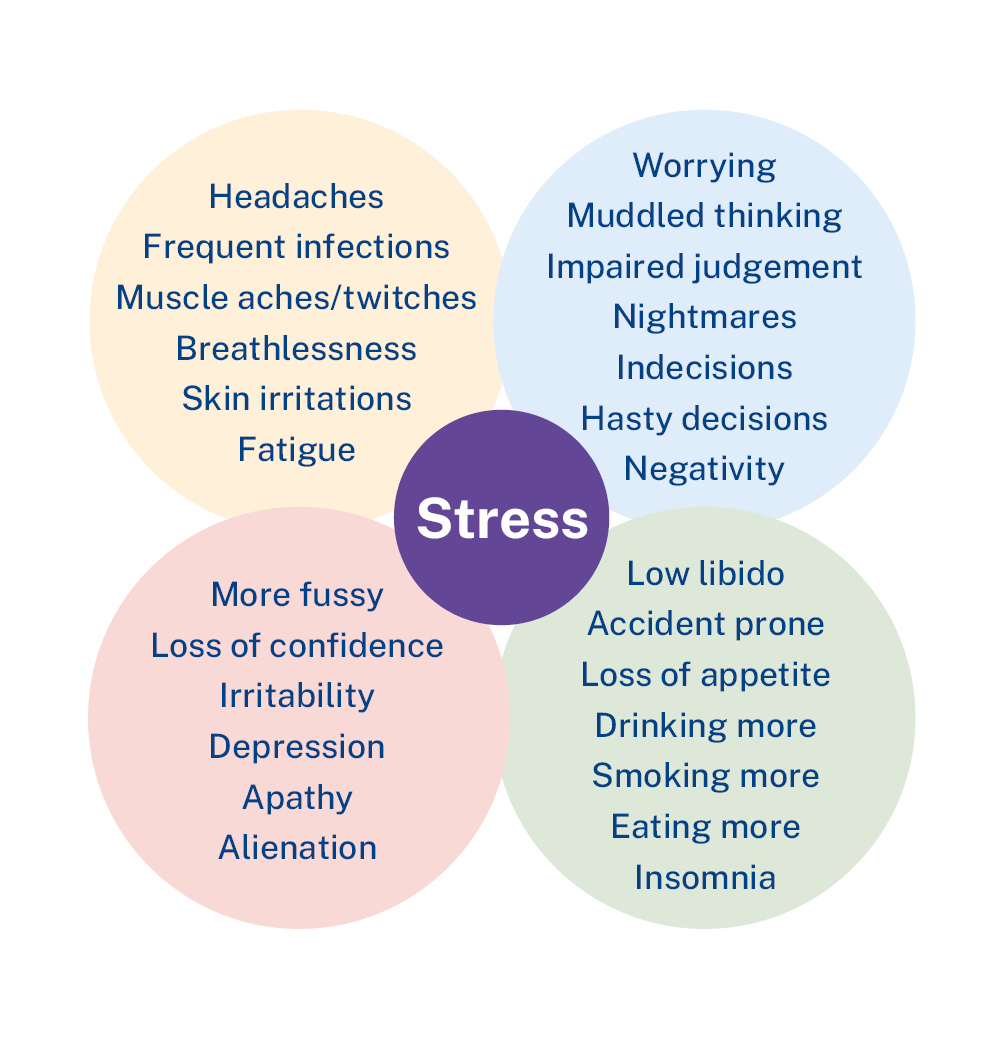
Ever feel like you’re juggling flaming torches while riding a unicycle on a tightrope? Life's demands – work deadlines, family responsibilities, creative aspirations – they all pile on, turning the dial-up way,waypast comfortable. It's easy to believe that pressure is always the enemy, a creativity killer that leaves you staring blankly at the canvas (or the keyboard, or the pottery wheel… you get the idea).
The struggle is real, especially for those of us who thrive on creativity. We want to produce amazing work, but the very act of trying can create a knot of anxiety in our stomachs. We worry about failing to meet expectations, about not being "good enough," about the fear of judgment. It's a vicious cycle: the stress hinders our creativity, which in turn increases our stress. It's a tough situation to navigate, and it often feels like we're constantly battling against ourselves.
But what if I told you that pressure, in the right dose and with the right mindset, could actuallyfuelyour creative fire? It's not about eliminating stress entirely (that's pretty much impossible!), but rather learning to dance with it, to harness its energy and redirect it toward your goals. Think of it like this: a little tension can be like stretching a rubber band – it gives you the potential to snap back with even more force and momentum. Let's explore how we can turn that tension into a catalyst for creative breakthroughs.
Turning Pressure Into Your Muse
The key here isn't to pretend that stress doesn't exist or to simply power through it. That's a recipe for burnout. Instead, it's about understanding thetypeof pressure you're facing and developing strategies to manage it constructively. Consider that some pressure is self-imposed (perfectionism, unrealistic expectations), while other pressure is external (deadlines, demanding clients). Recognizing the source is the first step toward taking control.
Think of it like a dimmer switch. We don’t want to turn the lights off completely – a little light helps us see! But we also don’t want to blast them at full intensity all the time. We want to find that sweet spot where the light is bright enough to illuminate our path without being so blinding that it hurts our eyes. It’s about finding your personal creative zone of manageable stress.
One of the most impactful things you can do is to reframe your perception of stress. Instead of viewing it as a purely negative force, try to see it as a sign that you care deeply about what you're doing. It means you're invested, passionate, and striving for excellence. This shift in perspective can instantly alleviate some of the pressure and allow you to approach your work with a more positive and open mind.
How does fear of failure affect stress?
Fear of failure is a major contributor to creative stress. It’s that nagging voice that whispers doubts and insecurities into your ear, making you second-guess every decision and paralyzing your ability to take risks. The antidote to fear is, surprisingly, not necessarily confidence (which can be hard to manufacture on demand), but ratheracceptance.
Accept that failure is an inevitable part of the creative process. Every great artist, writer, or innovator has experienced setbacks and rejections. Thomas Edison famously said, "I have not failed. I've just found 10,000 ways that won't work." View failure as a learning opportunity, a chance to refine your skills and approach things from a different angle. When you remove the stigma of failure, you free yourself to experiment, to explore, and to ultimately create something truly unique.
Here are a few practical steps to combat fear of failure:
1.Set realistic expectations: Avoid aiming for perfection, which is an unattainable goal. Focus on progress, not perfection. Break down large projects into smaller, more manageable tasks.
2.Embrace experimentation: Give yourself permission to play and explore without worrying about the outcome. Sometimes the best ideas come from unexpected places.
3.Focus on the process, not the product: Enjoy the act of creating, rather than obsessing over the final result. This will help you stay present and engaged in your work.
4.Celebrate small wins: Acknowledge and appreciate your accomplishments, no matter how small they may seem. This will boost your confidence and motivation.
5.Practice self-compassion: Be kind to yourself when things don't go as planned. Treat yourself with the same understanding and empathy you would offer a friend.
Techniques for Managing Pressure & Boosting Creativity
So, you've recognized the type of pressure you're facing and reframed your perspective. Now, let's dive into some practical techniques for managing stress and unlocking your creative potential.
Time Management & Prioritization: Feeling overwhelmed is often a sign that you're trying to do too much at once. Prioritize your tasks, focusing on the most important and urgent ones first. Use tools like to-do lists, calendars, and project management software to stay organized and on track. Learn to say "no" to commitments that don't align with your goals or that will add unnecessary stress to your life. Mindfulness & Meditation: Taking even a few minutes each day to practice mindfulness or meditation can have a profound impact on your stress levels. These techniques help you cultivate a calm mind, reduce anxiety, and improve focus. There are countless apps and online resources that offer guided meditations for beginners. Simply find a quiet space, close your eyes, and focus on your breath. Physical Activity & Exercise: Exercise is a powerful stress reliever. Physical activity releases endorphins, which have mood-boosting effects. Even a short walk or a quick workout can help clear your head and reduce tension. Find an activity you enjoy, whether it's running, swimming, dancing, or yoga, and make it a regular part of your routine. Breathing Techniques: When you're feeling stressed, your breathing becomes shallow and rapid. Deep breathing exercises can help calm your nervous system and restore a sense of balance. Try the 4-7-8 breathing technique: inhale deeply through your nose for 4 seconds, hold your breath for 7 seconds, and exhale slowly through your mouth for 8 seconds. Repeat this several times until you feel more relaxed. Creative Outlets Outside of Work: Sometimes, the best way to relieve creative pressure is to engage in creative activities that are completely separate from your work. This could be anything from painting to playing music to writing poetry. The key is to choose activities that you find enjoyable and that allow you to express yourself freely without any pressure or expectations. Seeking Support: Don't be afraid to reach out to friends, family, or a therapist for support. Talking about your stress can help you gain perspective and develop coping strategies. A therapist can provide guidance and support in managing your stress and improving your overall well-being.
What’s the best way to manage perfectionism?
Perfectionism is a sneaky saboteur, often masquerading as a virtue. While striving for excellence is admirable, the relentless pursuit of perfection can lead to crippling anxiety and procrastination. The best way to manage perfectionism is to recognize it for what it is: a fear-based response that prevents you from taking risks and fully embracing the creative process.
Here are some strategies to tame your inner perfectionist: Challenge your negative thoughts: When you catch yourself thinking perfectionistic thoughts (e.g., "This has to be perfect," "I can't make any mistakes"), challenge the validity of those thoughts. Ask yourself: Is this thought realistic? Is it helpful? What evidence do I have to support this thought? Focus on progress, not perfection: Shift your focus from achieving a flawless outcome to making consistent progress. Celebrate small wins and acknowledge your efforts, even if the final product isn't perfect. Set realistic goals: Break down large projects into smaller, more manageable tasks. Avoid setting unrealistic expectations for yourself. Embrace imperfection: Accept that mistakes are an inevitable part of the creative process. View them as learning opportunities and chances for growth. Practice self-compassion: Be kind to yourself when you make mistakes or fall short of your expectations. Treat yourself with the same understanding and empathy you would offer a friend. Set time limits: When working on a creative project, set a timer and work within a specific time frame. This will help you avoid getting bogged down in the details and overthinking every decision. Seek feedback:Ask trusted friends, colleagues, or mentors for constructive feedback on your work. Be open to their suggestions and use their insights to improve your skills.
Cultivating a Calm Mind for Sustained Creativity
Maintaining a calm mind isn’t a one-time fix; it's an ongoing practice. Building resilience to stress requires consistent effort and a commitment to self-care. Integrating these techniques into your daily routine will create a foundation of emotional balance and mental clarity, allowing you to navigate pressure with greater ease and tap into your creative potential.
Consider creating a "wellness toolkit" – a collection of practices and resources that you can turn to when you're feeling stressed or overwhelmed. This could include things like your favorite meditation app, a playlist of calming music, a list of inspiring quotes, or a journal where you can express your thoughts and feelings.
Remember that everyone experiences stress differently, so it's important to experiment with different techniques and find what works best for you. Be patient with yourself, and don't be afraid to adjust your approach as needed. The goal is not to eliminate stress entirely, but rather to develop the skills and strategies to manage it effectively and harness its creative power.
You see, stress doesn’t have to be a creativity killer. By understanding its sources, reframing your perspective, and incorporating stress relief techniques into your routine, you can transform pressure into a powerful motivator. Focus on building resilience and cultivating a calm mind, and you'll find that you're able to navigate challenges with greater ease and unlock your full creative potential. It’s about learning to dance with the tension, allowing it to stretch and shape you, and ultimately, to fuel your artistic expression.
Post a Comment for "Stress and Creativity: Can Pressure Ever Be Positive?"