What Is Cortisol and Why Does It Matter?
Ever feel like you're running on fumes, constantly wired but somehow exhausted at the same time? Like your body is stuck in a perpetual state of alert, even when you're trying to relax? We've all been there – juggling work, family, social commitments, and the never-ending stream of notifications vying for our attention. That feeling of being constantly "on" often has a hidden culprit playing a significant role behind the scenes.
This chronic feeling of being overwhelmed often stems from how our bodies manage stress, and one key player in that process is a hormone that you may or may not have heard of before. Learning about this hormone can be a powerful first step towards understanding how to manage your stress levels and feel more balanced in your daily life.
But what if I told you there's a way to gently nudge your body back into a state of calm, a way to better understand the chemical symphony happening within you? Let's explore this together – not as a lecture, but as a friendly conversation about a vital aspect of our well-being.
Cortisol: The Body's Natural Alarm System
Cortisol, often dubbed the "stress hormone," is produced by the adrenal glands, which sit atop your kidneys. It plays a vital role in a wide range of bodily functions, not just stress response. Think of it as your body’s natural alarm system, designed to protect you in times of perceived danger. When you encounter a stressful situation – a looming deadline, a difficult conversation, or even just a packed schedule – your brain signals the adrenal glands to release cortisol.
This surge of cortisol triggers a cascade of physiological changes, all geared towards helping you survive the threat.Your heart rate increases, your breathing becomes more rapid, and your muscles tense up, ready for action. Energy stores are mobilized, providing you with the fuel you need to either fight or flee (hence the "fight-or-flight" response). It also sharpens your senses, enhancing your alertness and focus. In the short term, this response can be incredibly beneficial, giving you the edge you need to perform under pressure.
However, problems arise when this alarm system is constantly triggered. In today's fast-paced world, many of us are living in a state of chronic stress, where the cortisol alarm is ringing almost continuously.
How does constant stress affect the body?
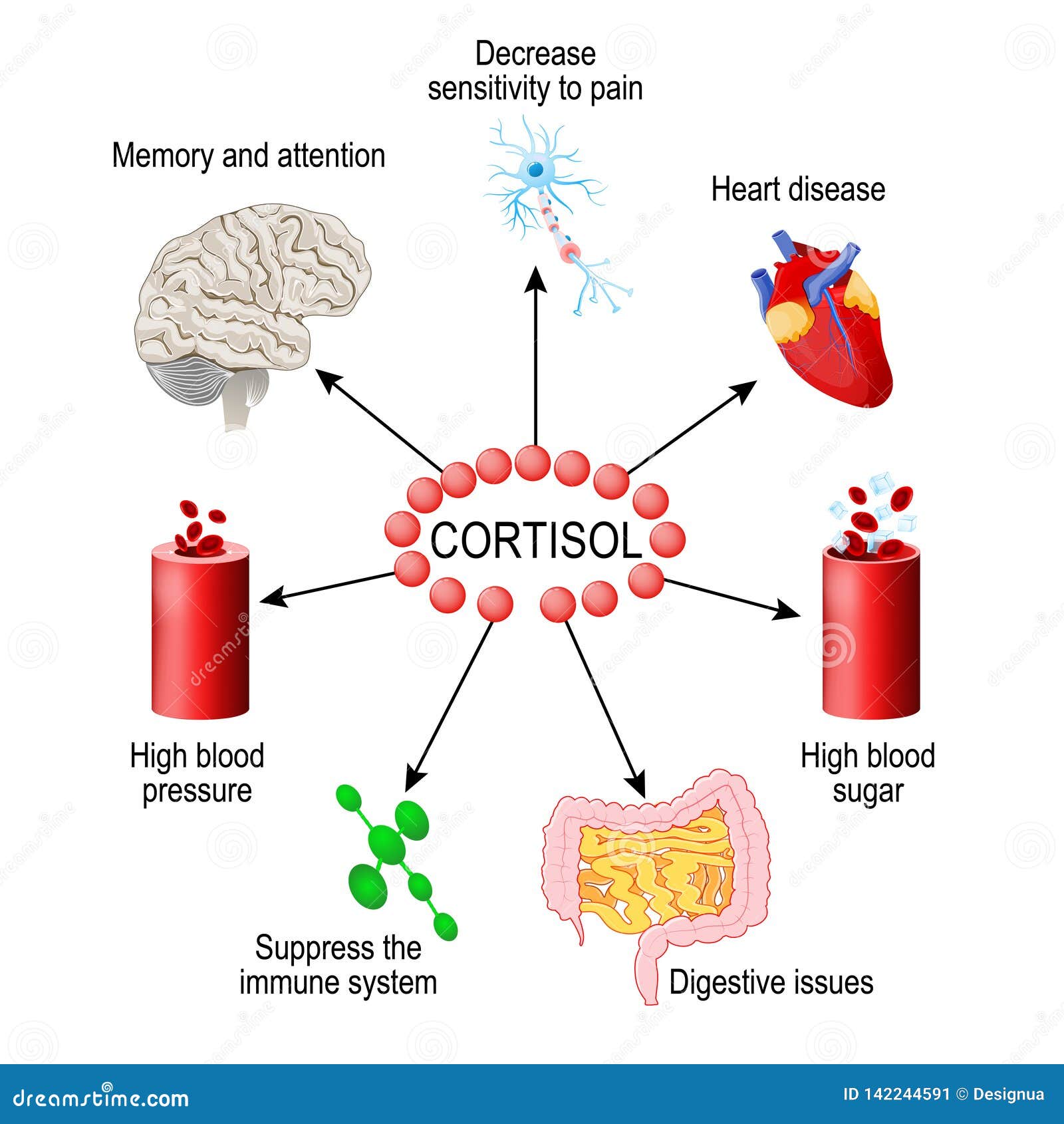
When cortisol levels remain elevated for extended periods, it can wreak havoc on various systems in your body. One of the most noticeable effects is on your sleep patterns. High cortisol levels can interfere with your ability to fall asleep and stay asleep, leading to insomnia and fatigue. This, in turn, can impact your cognitive function, making it difficult to concentrate, remember things, and make sound decisions.
Furthermore, chronic stress can weaken your immune system, making you more susceptible to illness. Cortisol suppresses the activity of immune cells, reducing their ability to fight off infections. It can also contribute to digestive problems, such as irritable bowel syndrome (IBS) and stomach ulcers. Because it increases blood sugar and blood pressure, long-term elevation of the hormone is associated with increased risk for type 2 diabetes and cardiovascular problems. It has also been shown to affect fertility, libido, and even skin conditions.
And let's not forget the impact on mental and emotional well-being. Chronic stress can contribute to anxiety, depression, and irritability. It can also impair your ability to regulate your emotions, making you more prone to mood swings and emotional outbursts. Constant worry and tension can also significantly decrease mental clarity, making it harder to focus and make decisions.
All of these effects can create a vicious cycle, where stress leads to physical and mental health problems, which in turn exacerbate stress levels.
Reclaiming Your Calm: Strategies for Managing Cortisol
The good news is that you don't have to be a victim of chronic stress. There are many effective strategies you can implement to help regulate your body's stress response and promote a greater sense of calm and well-being. The key is to find what works best for you and to incorporate these practices into your daily routine.
Prioritize Sleep: Aim for 7-9 hours of quality sleep each night. Create a relaxing bedtime routine that includes activities such as taking a warm bath, reading a book, or listening to calming music. Make sure your bedroom is dark, quiet, and cool, and avoid screen time before bed.
Practice Mindfulness and Meditation: Mindfulness involves paying attention to the present moment without judgment. Meditation techniques, such as deep breathing exercises and guided visualizations, can help calm the mind and reduce stress levels. Even just a few minutes of mindfulness each day can make a significant difference. There are many apps and online resources available to guide you through these practices.
Engage in Regular Exercise: Physical activity is a powerful stress reliever. Exercise helps release endorphins, which have mood-boosting effects. Aim for at least 30 minutes of moderate-intensity exercise most days of the week. Choose activities you enjoy, such as walking, running, swimming, or dancing. Yoga and Tai Chi are particularly effective for reducing stress and promoting relaxation.
Nourish Your Body: A healthy diet is essential for managing stress levels. Avoid processed foods, sugary drinks, and excessive caffeine intake. Focus on eating whole, unprocessed foods, such as fruits, vegetables, whole grains, and lean protein. Certain nutrients, such as magnesium and omega-3 fatty acids, have been shown to have stress-reducing effects.
Connect with Nature: Spending time in nature can have a profound impact on your well-being. Studies have shown that being in nature can lower cortisol levels, reduce blood pressure, and improve mood. Take a walk in the park, go for a hike in the woods, or simply sit outside and enjoy the fresh air.
Build Strong Social Connections: Social support is crucial for managing stress. Spend time with loved ones, join a club or group, or volunteer in your community. Strong social connections provide a sense of belonging and support, which can buffer the effects of stress. Sharing your feelings with trusted friends or family members can also be incredibly helpful.
Practice Time Management: Feeling overwhelmed by tasks and responsibilities can significantly contribute to stress levels. Learn to prioritize tasks, break them down into smaller steps, and delegate when possible. Avoid multitasking, which can actually increase stress and reduce productivity. Set realistic goals and learn to say no to commitments that overextend you.
Consider Supplements: While it's always best to consult with a healthcare professional before taking any supplements, certain natural remedies have been shown to help manage stress. Ashwagandha, an adaptogenic herb, has been shown to reduce cortisol levels and improve stress resilience. Magnesium, L-theanine, and chamomile are also known for their calming effects.
What's the best way to start managing stress?
The best way to start managing stress is to identify your primary sources of stress and then choose one or two strategies from the list above to implement consistently. Don't try to do everything at once; start small and gradually build upon your efforts. Remember, consistency is key. It's also important to be patient with yourself. It takes time to develop new habits and to see significant changes in your stress levels. Be kind to yourself and celebrate small victories along the way. And don’t hesitate to seek professional help if you're struggling to manage your stress on your own. A therapist or counselor can provide you with support, guidance, and evidence-based techniques for managing stress and improving your overall well-being.
Empowering Your Wellness Journey
Understanding the relationship between your body and the hormones that control stress responses is more than just an intellectual exercise; it's a powerful tool for self-care. By integrating simple practices into your daily life, you can regain control, achieve emotional balance, and reclaim that sense of calm that seems so elusive amidst the daily hustle. Remember, you are not powerless against the effects of stress. You have the ability to influence your body's response and create a more balanced and fulfilling life. You have the power to nurture a calm mind and body.
Post a Comment for "What Is Cortisol and Why Does It Matter?"