How long does it take for stress to leave your body?

Almost everyone experiences stress in everyday life. Taking some time after a stressful period to catch your breath and recover is no problem. If the stress lasts longer and occurs more frequently, it can "stick." You feel tension in your body despite resting. Sometimes you can even feel tired for a long time. In this article, you'll read about the long-term effects of stress. We'll also tell you what happens in your body when you're stressed and how you can recover faster.
What happens in your body when you are stressed?
When you're stressed, your body produces two important hormones. These hormones are called adrenaline and cortisol . Adrenaline is produced by your brain and adrenal glands. Cortisol is produced only by your adrenal glands.
The production of these two substances triggers the fight-or-flight response. This system still functions the same way it did in our distant ancestors. This means that your body doesn't differentiate between an attack by a wild animal and an attack by an overflowing inbox. Stress is stress, and it always stimulates the same response in your body. Because this response used to be a matter of life and death (an attack by a wild animal could be fatal), it has a major impact on your body. It is given the highest priority. Things like digesting food and the functioning of your immune system can wait a while [2]. Your brain, heart and blood vessels, muscles, and liver work together to help you "survive" this stressful situation unscathed.
Want to read in detail what happens in your body during a stress response? Check out this article .
Summary: Stress is your body's fight-or-flight response. It causes the production of adrenaline and cortisol, and these substances have a major impact on your body.
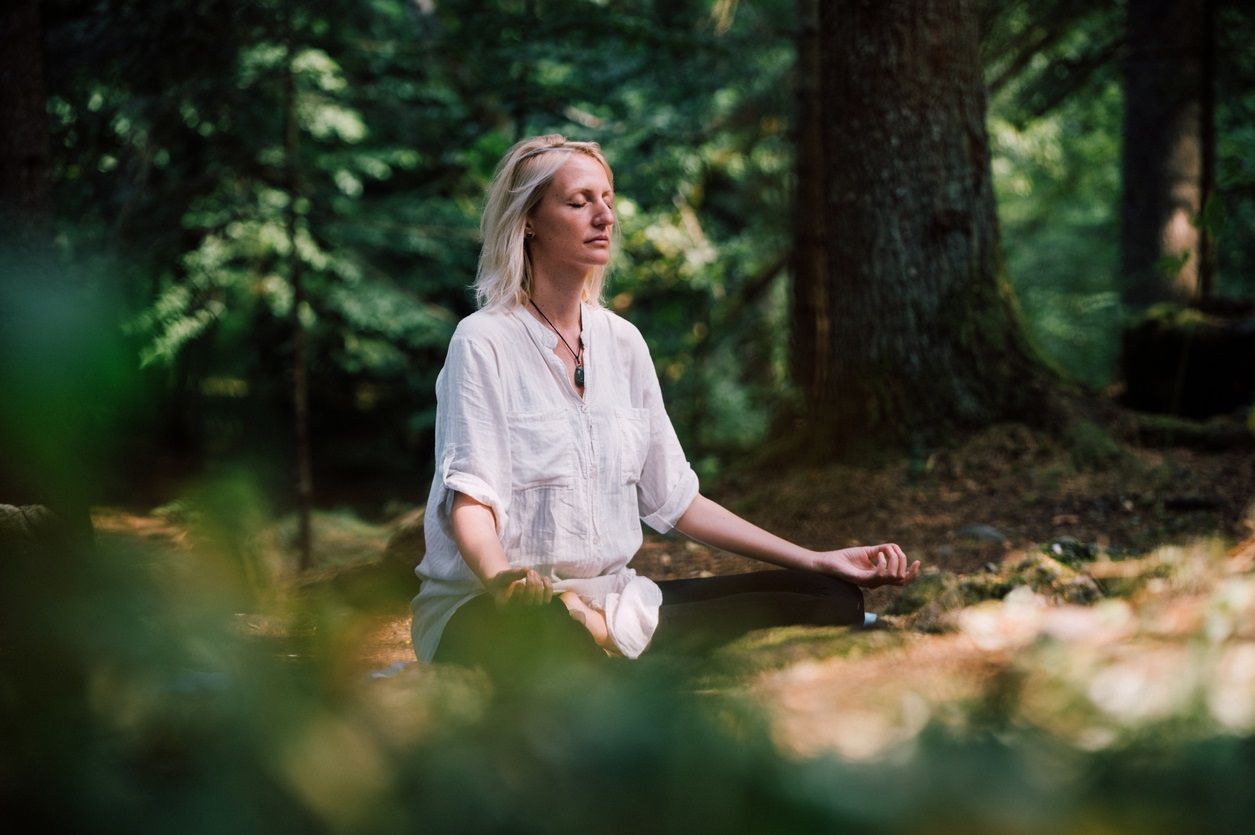

How long does it take for you to calm down again?
As long as there is a stressful stimulus, your body remains in fight-or-flight mode. Only when you calm down again does the production of adrenaline and cortisol stop. At this moment, your body returns to its "normal state." The hormones still in your bloodstream are broken down and excreted. The breakdown of adrenaline takes several minutes. The breakdown of cortisol takes several hours. In the end, after a few hours, you're back to your old self. However, this doesn't apply in all cases, but only to short-term stress. If stress lasts too long or occurs too frequently, several systems can be disrupted or even damaged. We'll explain how this works below.
Summary : Only when the stress stimulus is gone does your body return to a resting state. Your body breaks down the "stress substances" in your body. After a few hours, you're back to your old self. However, if the stress persists for too long, this isn't always the case.
Why do I recover so slowly after stress?
How quickly you recover from stress varies from person to person. The course of the recovery phase depends on three factors:
- Your basic health before stress
- The duration, seriousness and how to deal with it
- The social support you receive
Your basic health before stress
When you're stressed, you produce more free radicals [3]. These are particles that can damage your cells. This damage is called, with a difficult word, "oxidative stress" [4]. Oxidative stress can negatively affect your blood vessels, brain, and muscles [4]. It can also disrupt your body's energy production. This is because it damages the mitochondria in your cells [5]. Mitochondria are responsible for energy production in your body. It's therefore not surprising that you feel tired and exhausted after a stressful period. How quickly you recover from this fatigue depends on your health before the stressful period. The healthier you are before a stressful period, the faster you will recover.
Summary : When you're stressed, you produce more free radicals. If stress persists for a long time, these substances can damage your cells. The healthier you are before a stressful period, the faster you'll recover.
Stress: Duration, severity and how to deal with it
Both severe trauma and the accumulation of small, but increasingly severe, stress stimuli can cause damage to your body. How long it takes for stress to leave your body depends not only on the type of stress you experienced or how long it lasted. How you deal with it also plays a major role [6]. A healthy lifestyle ensures that you can process stress faster and better [6]. Here are some quick tips:
- Eat healthy
- Exercise sufficiently
- Ensure sufficient rest periods
- Get enough sleep
- Support yourself with vitamins and minerals
Summary : The duration and severity of the stress phase logically affect the recovery time. A healthy lifestyle also contributes to a faster recovery.
The social support you receive
Studies show that people surrounded by friends and family recover faster [7]. Visit people you feel comfortable with during and after stressful times. Don't be afraid to ask people around you for support. This will help you return to your old, energetic self more quickly.
Summary : A social safety net can help you recover more quickly from a stressful period.
How do I know if I am fully recovered?
You can use various parameters to find out whether you have fully recovered from stress.
For example, your biorhythm is a good parameter to find out whether the tension has completely disappeared from your body.
If you fall asleep easily and wake up spontaneously and rested every day, you can be sure that your stress response is over. Especially if you can also confirm these things:
- During the day I have enough energy
- I like seeing people and doing nice things
- My blood pressure is normal
- I don't feel anxious or rushed
You can also measure whether your heart rate is low and variable. You can do this with a heart rate variability monitor that you can download to your phone.
Summary : You can tell that you are back to your old self after a stressful period by the quality of your sleep, whether you have enough energy and whether your blood pressure is normal.
How can I prevent stress?
Of course, it's best to avoid a busy schedule and stressful activities as much as possible. However, that's easier said than done. You can also take preventative measures to ensure you're fit and healthy so you're more resilient to stress. This can be achieved by eating a healthy diet, getting enough rest, exercising regularly, and taking nutritional supplements. Want 10 concrete tips to avoid stress or recover faster after a stressful period? Then read this article .
Conclusion
Stress triggers a fight-or-flight response in your body. This response releases substances that can damage your cells. These substances are called free radicals. Short-term stress isn't bad. It can even be healthy and give you a boost. However, if a fight-or-flight response is triggered too often and lasts too long, it can take a long time to recover. The extent and speed of your recovery depends on the following factors:
- Whether the stress stimulus has completely disappeared
- Your general health
- The severity of stress
- The duration of the stress
- Whether you live healthily
- Whether you have social support
You can also take preventative measures to ensure you're fit and healthy. This will make you more resilient in stressful situations.
Sources:
- Achmea. Geraadpleegd op 19 januari 2023 from: ieuws.achmea.nl/bijna-9-op-de-10-nederlanders-ervaart-stress-in-dagelijks-leven/
- Russell, G., & Lightman, S. (2019). The human stress response. Nature reviews endocrinology, 15(9), 525-534.
- Aschbacher, K., et al. (2014). Chronic stress increases vulnerability to diet-related abdominal fat, oxidative stress, and metabolic risk. Psychoneuroendocrinology, 46, 14-22.
- Stojanović, NM, et al. (2021). An impact of psychological stress on the interplay between salivary oxidative stress and the classic psychological stress-related parameters. Oxidative Medicine and Cellular Longevity, 2021.
- Sies, H., Berndt, C., & Jones, D.P. (2017). Oxidative stress. annu. rev.
- Lianov, L. (2021). A powerful antidote to physician burnout: intensive healthy lifestyle and positive psychology approaches. American journal of lifestyle medicine, 15(5), 563-566.
- Closa León, T., et al. (2007). Social support and individual variability in patterns of haemodynamic reactivity and recovery. Psychology and Health, 22(4), 473-492.
Post a Comment for "How long does it take for stress to leave your body?"